

When it comes to transporting a water jetting hose, there are indeed several special requirements that need to be carefully considered. As a water jetting hose supplier, I've encountered various challenges and learned a great deal about the proper transportation methods to ensure the integrity and functionality of these hoses.
Understanding the Nature of Water Jetting Hoses
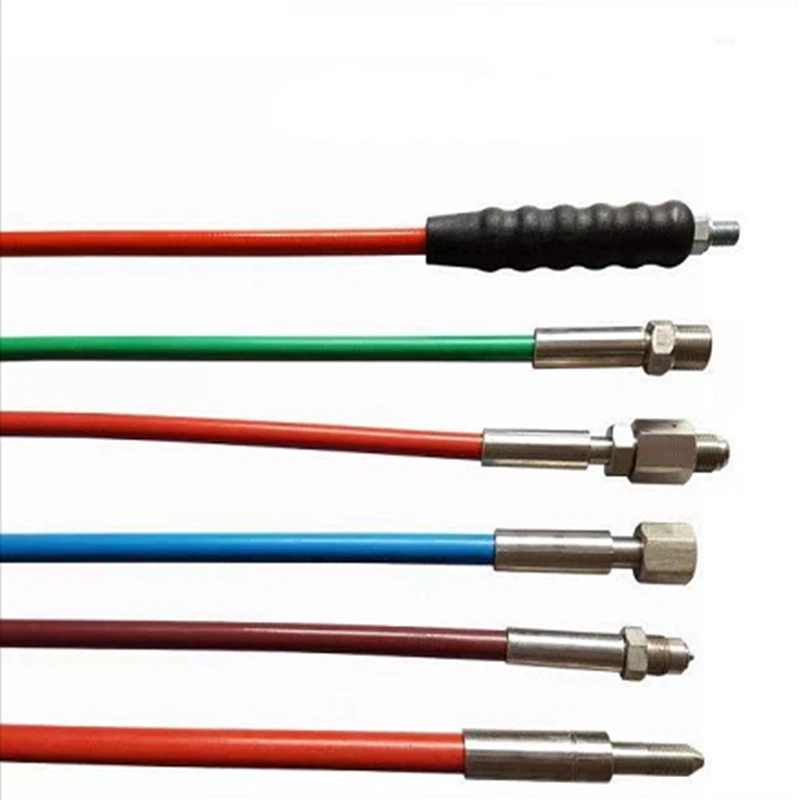
Water jetting hoses, such as the Ultra High Pressure Water Blasting Hose, High Pressure Water Jetting Hose, and Ultra High Pressure Water Blast Hose, are designed to withstand extremely high pressures. They are typically used in industrial applications like surface cleaning, descaling, and hydrodemolition. These hoses are often made of high - strength materials, including multiple layers of synthetic rubber and reinforced with steel wire or aramid fibers.
However, their construction also makes them vulnerable to damage during transportation if not handled properly. The high - pressure rating means that even a small nick or abrasion on the outer layer can compromise the hose's ability to hold pressure, leading to leaks or, in severe cases, catastrophic failure.
Packaging Requirements
One of the first steps in transporting water jetting hoses is proper packaging. The hoses should be carefully coiled to prevent kinking. Kinks can cause internal damage to the reinforcement layers, reducing the hose's pressure - bearing capacity. When coiling, it's important to use a consistent diameter to avoid creating sharp bends.
For long - distance transportation, the coiled hoses should be placed in sturdy containers or crates. These containers protect the hoses from external impacts, such as being bumped or crushed by other items in the transport vehicle. The containers should also be labeled clearly with information about the hose, including its pressure rating, length, and any special handling instructions.
In addition to physical protection, the hoses should be protected from environmental factors. Moisture can cause corrosion of the metal reinforcement in some hoses, so it's advisable to use moisture - resistant packaging materials. If the hoses are being transported in a humid environment or through areas with high humidity, desiccant packs can be placed inside the packaging to absorb excess moisture.
Loading and Unloading
Loading and unloading the water jetting hoses require special attention. The hoses should be handled gently to avoid dragging them on rough surfaces, which can cause abrasion. When using lifting equipment, such as forklifts or cranes, appropriate slings or straps should be used to prevent cutting or crushing the hoses.
It's also important to ensure that the hoses are loaded in a way that distributes the weight evenly. Uneven weight distribution can cause stress on certain parts of the hose, leading to damage. For example, if a large number of hoses are stacked on top of each other without proper support, the bottom hoses may be compressed and damaged.
During unloading, the same care should be taken. The hoses should be removed from the containers one by one, and any signs of damage should be inspected immediately. If a hose shows signs of damage, it should be set aside for further inspection and possible repair or replacement.
Transportation Environment
The environment in which the water jetting hoses are transported can have a significant impact on their condition. Extreme temperatures can affect the properties of the hose materials. For example, in very cold temperatures, the rubber in the hose may become brittle, increasing the risk of cracking. On the other hand, high temperatures can cause the rubber to soften, which may lead to deformation.
If the hoses are being transported in an area with extreme temperatures, climate - controlled transport vehicles may be necessary. These vehicles can maintain a stable temperature and humidity level, protecting the hoses from the adverse effects of the environment.
Another environmental factor to consider is vibration. Excessive vibration during transportation can cause the internal components of the hose to shift or become loose. This can lead to leaks or reduced performance. To minimize vibration, the hoses should be secured properly in the transport vehicle. Shock - absorbing materials can also be used to cushion the hoses and reduce the impact of vibrations.

Documentation and Compliance
When transporting water jetting hoses, proper documentation is essential. This includes bills of lading, which detail the quantity, type, and destination of the hoses. The documentation should also include information about the hose's specifications, such as its pressure rating, diameter, and length.
In addition, compliance with local and international regulations is crucial. Different countries and regions may have specific requirements for transporting high - pressure hoses, including safety standards and transportation codes. It's the responsibility of the supplier to ensure that all necessary permits and documentation are in order before shipping the hoses.
Quality Assurance After Transportation
Once the water jetting hoses arrive at their destination, a thorough quality assurance check should be conducted. This includes visual inspection for any signs of damage, such as cuts, abrasions, or bulges. The hoses should also be pressure - tested to ensure that they still meet the specified pressure ratings.
If any damage is detected, the supplier should work with the customer to determine the best course of action. This may involve repairing the hose, replacing it, or providing a credit for the damaged item.
Conclusion
Transporting water jetting hoses requires careful planning and attention to detail. From proper packaging to handling during loading and unloading, and considering the transportation environment, every step is crucial to ensure that the hoses arrive at their destination in good condition.
As a water jetting hose supplier, I understand the importance of providing high - quality products that are safe and reliable. By following these special requirements for transportation, we can ensure that our customers receive hoses that meet their expectations and perform well in their applications.
If you are interested in purchasing water jetting hoses or have any questions about their transportation, please feel free to contact us. We are always ready to provide you with professional advice and high - quality products.
References
- "High - Pressure Hose Handbook", Industrial Hose Association
- "Transportation Safety Guidelines for High - Pressure Equipment", International Transportation Safety Board