

Hey there! As a supplier of sewer flushing hoses, I often get asked if a sewer flushing hose can be used for flushing sewer grates. Well, let's dive right into this topic and find out.
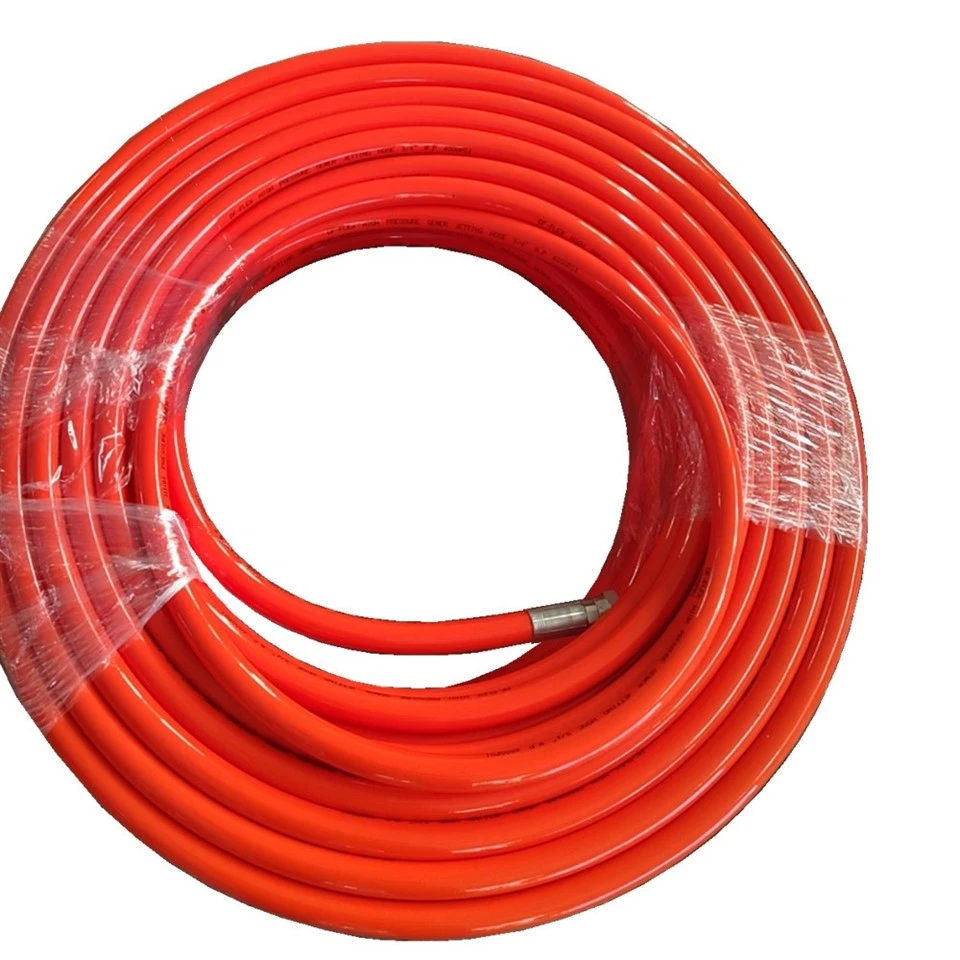
First off, what exactly is a sewer flushing hose? It's a specialized hose designed to handle high - pressure water flow for the purpose of cleaning sewers. We offer two popular types: Sewer Jetting Hose 4000PSI and Sewer Jetting Hose 2500PSI. The numbers represent the pounds per square inch (PSI) of pressure the hoses can withstand. A higher PSI means more powerful water flow, which can be crucial for tough cleaning jobs.
Now, let's talk about sewer grates. Sewer grates are those metal covers you see on the streets or in parking lots. They are there to prevent large debris from entering the sewer system while allowing water to drain. Over time, these grates can get clogged with leaves, dirt, and other junk. When that happens, it can lead to poor drainage, and in some cases, flooding.

So, can a sewer flushing hose be used to clean these grates? The short answer is yes, and here's why.
The Science Behind It
The high - pressure water from a sewer flushing hose can effectively dislodge the debris stuck in the sewer grates. When water is forced through the hose at high pressure, it creates a strong stream that can break up clumps of dirt and push them out of the way. For example, our High Pressure Sewer Jetting Hose 4000PSI can generate a powerful stream that can reach deep into the crevices of the grate to remove even the most stubborn blockages.
Advantages of Using a Sewer Flushing Hose for Grate Cleaning
- Efficiency: It's a lot faster than traditional cleaning methods. Instead of manually trying to pick out debris from the grates, a high - pressure hose can clean a large area in a relatively short amount of time.
- Thoroughness: The high - pressure water can reach areas that are hard to access by hand. It can clean the spaces between the bars of the grate and even flush out debris that has settled below the surface of the grate.
- Cost - effective: In the long run, using a sewer flushing hose can save money. You don't have to hire a large crew to clean the grates manually, and the hoses are durable and can be used for multiple cleaning jobs.
How to Use a Sewer Flushing Hose for Grate Cleaning
- Safety First: Before you start, make sure you wear appropriate safety gear, such as gloves and safety glasses. The high - pressure water can be dangerous if it splashes back at you.
- Prepare the Hose: Connect the hose to a high - pressure water source, like a pressure washer. Make sure all the connections are secure to prevent any leaks.
- Start Cleaning: Aim the hose at the sewer grate and start with a low - pressure setting. Gradually increase the pressure as needed to remove the debris. Move the hose around to cover the entire surface of the grate.
- Dispose of Debris: Once the grate is clean, use a broom or a shovel to collect the debris and dispose of it properly.
Considerations
- Pressure Level: You need to be careful with the pressure. Using too high a pressure can damage the sewer grate, especially if it's made of a brittle material. That's why having options like the 2500PSI and 4000PSI hoses is great, as you can choose the right pressure for the job.
- Water Source: You need a reliable water source. If the water supply is limited, it can affect the performance of the hose.
In conclusion, a sewer flushing hose can definitely be used for flushing sewer grates. It offers a more efficient, thorough, and cost - effective way to keep these important drainage components clean. Whether you're a municipality looking to maintain your city's sewer system or a property owner wanting to keep your parking lot drains clear, our sewer flushing hoses are a great choice.

If you're interested in purchasing a sewer flushing hose for your grate - cleaning needs or any other sewer - related jobs, feel free to get in touch with us to discuss your requirements and get a quote. We're here to help you find the perfect solution for your sewer cleaning challenges.

References
- Plumbing and Drainage Manual: This manual provides in - depth information on sewer systems and the best practices for cleaning them.
- Journal of Environmental Engineering: Articles in this journal often cover the latest research on sewer maintenance and the effectiveness of different cleaning methods.