

Can a water jetting hose be used for underwater operations?
As a supplier of water jetting hoses, I often get asked whether our products can be used for underwater operations. It's a valid question, considering the unique challenges that come with working underwater. In this blog post, I'll explore the feasibility of using water jetting hoses underwater, the factors to consider, and the types of hoses that are best suited for such applications.
Understanding Water Jetting Hoses
Before delving into underwater applications, let's first understand what water jetting hoses are. Water jetting hoses are designed to carry high-pressure water from a pump to a nozzle or lance. They are used in a variety of industries, including manufacturing, construction, and maintenance, for tasks such as surface cleaning, descaling, and cutting.
Our company offers a range of water jetting hoses, including Waterblasting Lance Hose, High Pressure Water Jetting Hose, and Ultra High Pressure Water Blast Hose. These hoses are made from high-quality materials that can withstand the rigors of high-pressure water flow.
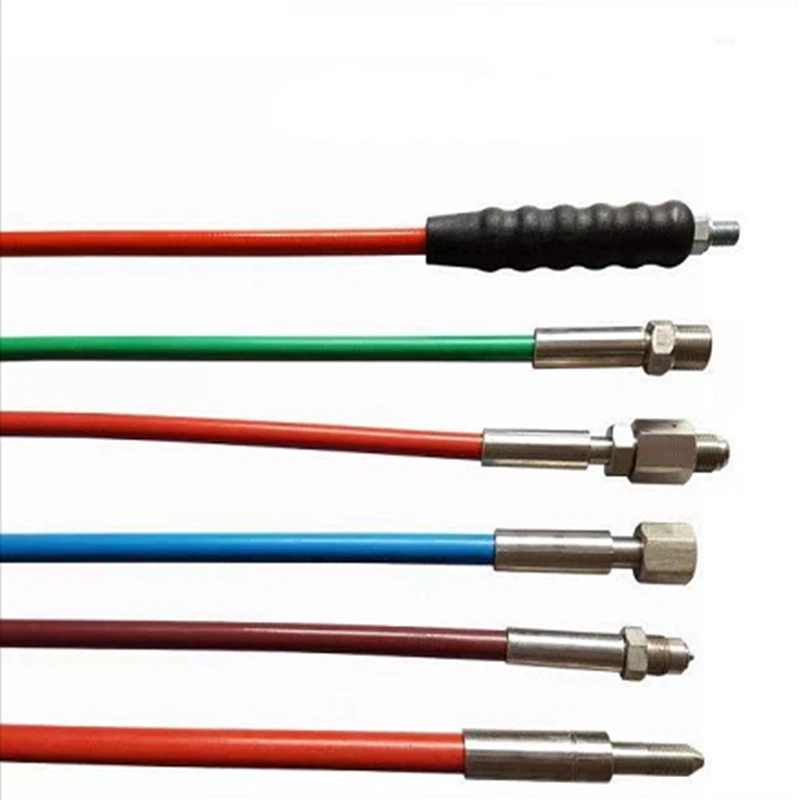

Feasibility of Underwater Operations
The short answer is yes, water jetting hoses can be used for underwater operations. However, there are several factors that need to be considered to ensure the safety and effectiveness of the operation.
One of the main challenges of underwater water jetting is the increased pressure exerted by the water column above the hose. This hydrostatic pressure can affect the performance of the hose and increase the risk of leaks or bursts. Therefore, it's crucial to choose a hose that is rated for the maximum depth and pressure of the underwater environment.
Another factor to consider is the corrosion resistance of the hose. Underwater environments are often corrosive, especially in saltwater. The hose material should be able to resist corrosion to ensure its longevity and performance. Our hoses are made from materials such as stainless steel and synthetic rubber, which offer excellent corrosion resistance.
Visibility is also a concern when working underwater. The operator needs to be able to see the area being cleaned or cut to ensure accurate and efficient operation. Specialized lighting equipment may be required to improve visibility.
Types of Hoses for Underwater Operations
When it comes to underwater water jetting, not all hoses are created equal. Here are some types of hoses that are well-suited for underwater operations:
- Reinforced Hoses: These hoses are designed to withstand high pressures and are often used in industrial applications. They are typically made from multiple layers of synthetic rubber or thermoplastic, reinforced with steel or aramid fibers. Reinforced hoses offer excellent strength and durability, making them suitable for underwater operations.
- Coiled Hoses: Coiled hoses are flexible and can be easily stored and transported. They are often used in applications where the hose needs to be extended or retracted frequently. Coiled hoses are available in various lengths and diameters, making them suitable for different underwater operations.
- Composite Hoses: Composite hoses are made from a combination of different materials, such as rubber, plastic, and metal. They offer a balance of flexibility, strength, and corrosion resistance, making them ideal for underwater applications.
Safety Considerations
Safety is of utmost importance when working underwater with water jetting hoses. Here are some safety considerations to keep in mind:
- Proper Training: Operators should receive proper training on the use of water jetting equipment and safety procedures. They should be familiar with the equipment's controls, maintenance requirements, and emergency procedures.
- Inspection and Maintenance: Regular inspection and maintenance of the hose and equipment are essential to ensure their safe and effective operation. The hose should be checked for signs of wear, damage, or leaks before each use. Any damaged or worn parts should be replaced immediately.
- Personal Protective Equipment (PPE): Operators should wear appropriate PPE, such as wetsuits, gloves, and goggles, to protect themselves from the high-pressure water and the underwater environment.
- Emergency Procedures: In case of an emergency, such as a hose burst or equipment failure, operators should be familiar with the emergency procedures and have access to emergency equipment, such as first aid kits and life jackets.
Applications of Underwater Water Jetting
Underwater water jetting has a wide range of applications, including:
- Marine Cleaning: Water jetting can be used to clean the hulls of ships, boats, and offshore structures to remove barnacles, algae, and other marine growth. This helps to improve the vessel's performance and reduce fuel consumption.
- Underwater Construction and Maintenance: Water jetting can be used to cut and clean underwater concrete, steel, and other materials during construction and maintenance projects.
- Environmental Remediation: Water jetting can be used to remove contaminants from the bottom of lakes, rivers, and oceans. This helps to improve water quality and protect the environment.
Conclusion
In conclusion, water jetting hoses can be used for underwater operations, but it's important to choose the right hose for the job and follow proper safety procedures. Our company offers a range of high-quality water jetting hoses that are suitable for underwater applications. If you're considering using water jetting hoses for underwater operations, I encourage you to contact us to discuss your specific requirements. We can provide you with the right hose and equipment to ensure a safe and successful operation.
If you have any questions or would like to discuss your water jetting needs, please don't hesitate to contact us. We look forward to working with you to find the best solution for your underwater water jetting requirements.
References
- ASME PCC-2, Guidelines for Pressure Boundary Bolted Flange Joint Assembly
- ISO 14531, Water Jetting Equipment - Safety Requirements
- OSHA 29 CFR 1910.269, Electric Power Generation, Transmission, and Distribution