

Hey there! As a supplier of SAE 100 R14 Hose, I often get asked if this type of hose can be used in power generation equipment. Well, let's dive right into it and find out.
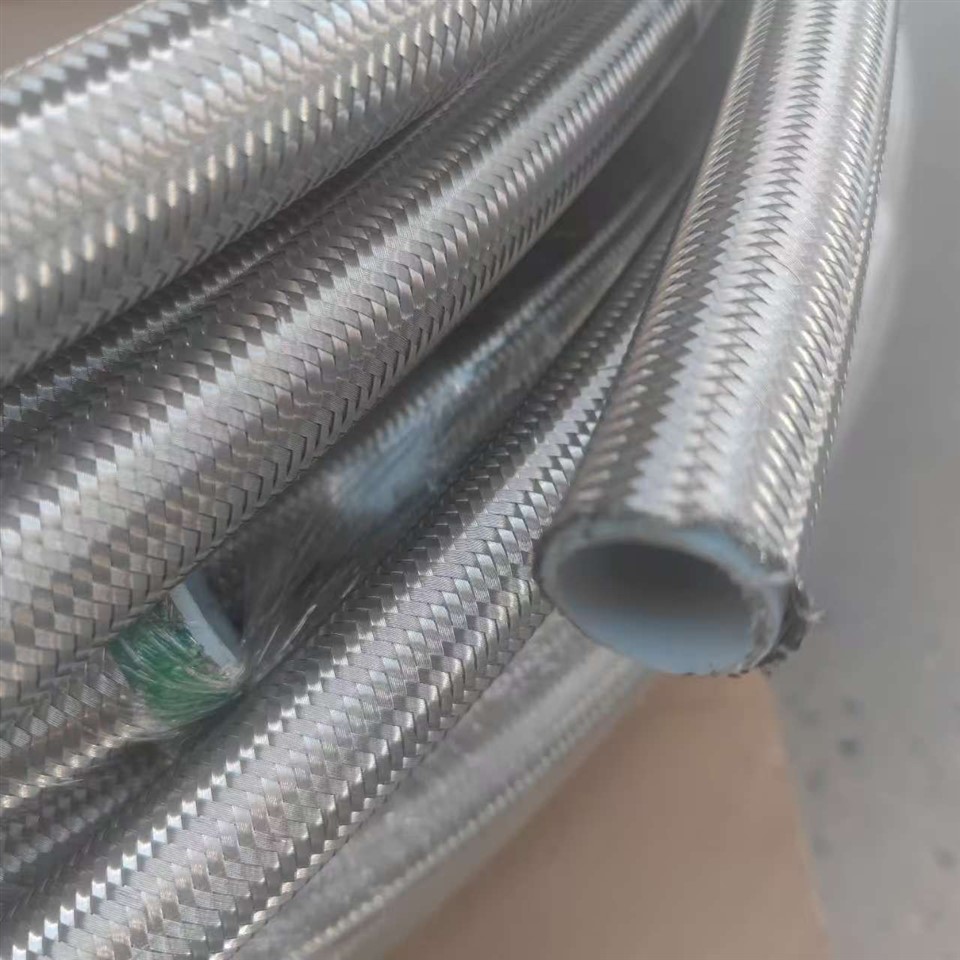
First off, let's talk a bit about what SAE 100 R14 Hose is. It's a high - pressure hydraulic hose that's known for its durability and performance. The SAE (Society of Automotive Engineers) standards ensure that the hose meets certain quality and safety requirements. This hose typically has a synthetic rubber tube, multiple layers of high - tensile steel wire braid reinforcement, and a synthetic rubber cover.
Now, power generation equipment is a whole different ballgame. It involves a lot of high - pressure, high - temperature, and sometimes corrosive environments. The equipment can range from small generators for home use to large industrial power plants. So, can our SAE 100 R14 Hose cut it in this tough environment?
Compatibility with Power Generation Equipment
Pressure Requirements
Power generation equipment often operates under high pressure. For example, in a steam turbine - based power plant, the hydraulic systems that control the valves and other moving parts can have pressures reaching several thousand pounds per square inch (psi). The SAE 100 R14 Hose is designed to handle high - pressure applications. It can typically withstand working pressures up to 6000 psi or even higher, depending on the specific construction and size of the hose. This makes it a viable option for many power generation hydraulic systems.
Temperature Resistance
Temperature is another crucial factor in power generation. In some parts of a power plant, like near the boilers or in the exhaust areas, temperatures can soar. The SAE 100 R14 Hose has a good temperature range. The synthetic rubber materials used in its construction can usually handle temperatures from - 40°F to 212°F (- 40°C to 100°C). However, in some extreme cases where higher temperatures are involved, you might need to look into hoses with better temperature resistance, like the PTFE Hose. PTFE hoses can withstand much higher temperatures, sometimes up to 500°F (260°C).
Chemical Compatibility
Power generation equipment may come into contact with various chemicals, such as lubricants, coolants, and even some corrosive substances. The synthetic rubber in the SAE 100 R14 Hose is generally resistant to common hydraulic fluids and lubricants. But if there are more aggressive chemicals involved, you may need to consider a more chemically resistant option, like the PTFE Braided Hose. PTFE is known for its excellent chemical resistance and can handle a wide range of chemicals without degrading.

Advantages of Using SAE 100 R14 Hose in Power Generation
Durability
One of the biggest advantages of the SAE 100 R14 Hose is its durability. The multiple layers of steel wire braid reinforcement give it excellent strength and resistance to abrasion. In a power generation plant, where there are often moving parts and potential for hoses to rub against other equipment, this durability is a huge plus. It means the hose is less likely to fail prematurely, reducing downtime and maintenance costs.
Flexibility
Flexibility is important in power generation equipment, especially in areas where there are tight spaces or moving components. The SAE 100 R14 Hose is relatively flexible, allowing it to be routed easily around obstacles. This makes installation and maintenance much easier compared to some rigid piping systems.
Cost - Effectiveness
When it comes to cost, the SAE 100 R14 Hose is often a more affordable option compared to some specialized hoses. For power generation projects with a large number of hoses, this cost - effectiveness can add up to significant savings. And considering its performance and durability, it offers a good balance between cost and quality.
Limitations and Considerations
Specialized Applications
In some highly specialized power generation applications, such as those involving nuclear power or certain types of renewable energy systems, the SAE 100 R14 Hose may not be the best choice. These applications may have very specific requirements, like extreme radiation resistance or ultra - high - purity fluid handling. In such cases, you'll need to look into hoses designed specifically for those conditions.
System Design
The overall design of the power generation system also plays a role. If the system has very high - frequency pulsations or rapid pressure changes, the SAE 100 R14 Hose may need to be carefully selected and installed. Pulsations can cause fatigue in the hose over time, leading to premature failure. So, it's important to work with a knowledgeable engineer to ensure the hose is properly sized and installed to handle these conditions.
Our SAE 100 R14 Teflonning Hose
We also offer the SAE 100 R14 Teflonning Hose, which combines the high - pressure performance of the SAE 100 R14 Hose with the excellent chemical and temperature resistance of Teflon (PTFE). This hose is a great option for power generation applications where you need both high - pressure handling and enhanced resistance to chemicals and high temperatures.
Conclusion
So, can SAE 100 R14 Hose be used in power generation equipment? The answer is yes, in many cases. It offers good pressure resistance, durability, flexibility, and cost - effectiveness. However, you need to carefully consider the specific requirements of your power generation system, such as temperature, chemical compatibility, and system design.
If you're in the market for hoses for your power generation equipment, we'd love to help. Whether you need the standard SAE 100 R14 Hose or our specialized SAE 100 R14 Teflonning Hose, we can provide you with the right solution. Just reach out to us to start the procurement and negotiation process.
References
- SAE International standards for hydraulic hoses
- Industry reports on power generation equipment and hydraulic systems
- Technical literature from hose manufacturers