

As a supplier of PTFE braided hoses, I've witnessed firsthand how the flexibility of these hoses significantly impacts their installation process. PTFE, or polytetrafluoroethylene, is a synthetic fluoropolymer known for its excellent chemical resistance, high-temperature tolerance, and low friction coefficient. When braided into hoses, PTFE offers a unique combination of strength and flexibility that makes it suitable for a wide range of applications.
Understanding the Flexibility of PTFE Braided Hoses
Flexibility in PTFE braided hoses is primarily determined by the material properties of PTFE itself and the design of the braided structure. PTFE has a relatively low modulus of elasticity, which means it can be easily deformed under stress and return to its original shape once the stress is removed. This inherent flexibility allows PTFE braided hoses to bend and curve without kinking or collapsing, even in tight spaces.
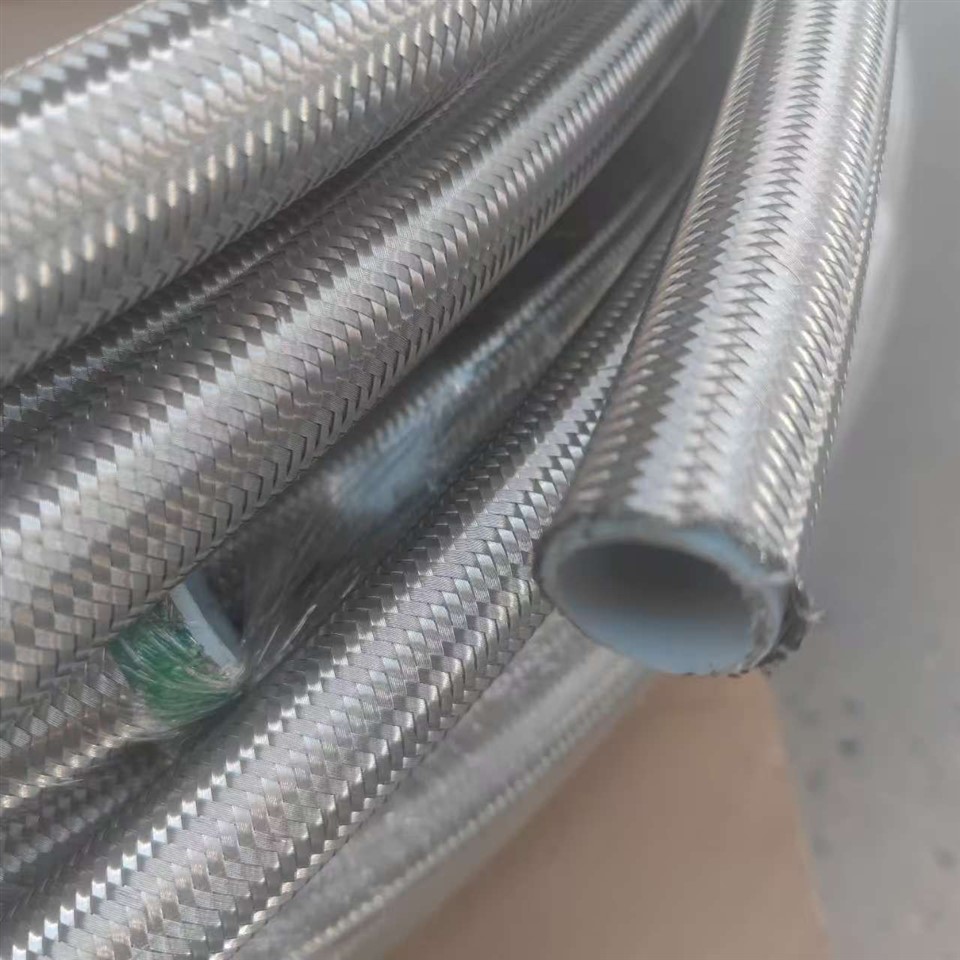
The braided structure of the hose also plays a crucial role in its flexibility. The braid is typically made of stainless steel or other high-strength materials, which provides additional support and reinforcement to the PTFE liner. The braid pattern and density can be adjusted to optimize the hose's flexibility, pressure rating, and abrasion resistance. A looser braid pattern generally results in a more flexible hose, while a tighter pattern provides greater strength and pressure resistance.
Advantages of Flexible PTFE Braided Hoses in Installation
The flexibility of PTFE braided hoses offers several advantages during the installation process, making them a preferred choice for many applications.
Easy Routing
One of the most significant benefits of flexible PTFE braided hoses is their ability to be easily routed around obstacles and through tight spaces. Unlike rigid pipes or hoses, PTFE braided hoses can be bent and curved to fit the specific requirements of the installation. This flexibility reduces the need for complex fittings and adapters, simplifying the installation process and saving time and money.
For example, in a manufacturing plant where space is limited, PTFE braided hoses can be routed through narrow channels and around machinery without the need for extensive modifications. This allows for a more efficient use of space and reduces the overall footprint of the system.
Reduced Stress on Fittings
Flexible PTFE braided hoses can absorb and distribute stress more effectively than rigid hoses, reducing the strain on fittings and connections. When a hose is subjected to movement or vibration, the flexibility of the PTFE material allows it to bend and flex without transferring excessive stress to the fittings. This helps to prevent leaks and failures at the connection points, improving the reliability and longevity of the system.
In a hydraulic system, for instance, the constant movement and pressure fluctuations can cause stress on the hoses and fittings. A flexible PTFE braided hose can accommodate these movements and vibrations, reducing the risk of damage to the fittings and ensuring a tight seal.
Improved Installation Efficiency
The flexibility of PTFE braided hoses also makes them easier to handle and install, improving the overall efficiency of the installation process. The hoses can be easily cut to the desired length and connected to fittings using standard tools and techniques. This reduces the need for specialized equipment or skilled labor, making the installation process more accessible and cost-effective.
Additionally, the lightweight nature of PTFE braided hoses makes them easier to transport and maneuver, further enhancing the installation efficiency. This is particularly beneficial in large-scale projects where multiple hoses need to be installed over a wide area.
Considerations for Installing Flexible PTFE Braided Hoses
While the flexibility of PTFE braided hoses offers many advantages, there are also some considerations to keep in mind during the installation process to ensure optimal performance and safety.

Proper Bending Radius
It's important to maintain the proper bending radius when installing PTFE braided hoses to prevent kinking and damage to the hose. The minimum bending radius is typically specified by the manufacturer and depends on the hose size, pressure rating, and application. Exceeding the recommended bending radius can cause the hose to kink, reducing the flow capacity and increasing the risk of failure.
To ensure the proper bending radius, it's recommended to use bending tools or templates during the installation process. These tools can help to maintain a consistent bend and prevent the hose from being overbent.
Secure Fittings
Properly securing the fittings is crucial to prevent leaks and ensure the integrity of the system. When installing PTFE braided hoses, it's important to use the correct type of fittings and ensure they are tightened to the recommended torque. Over-tightening the fittings can damage the hose or cause the seal to fail, while under-tightening can result in leaks.
It's also important to inspect the fittings regularly for signs of wear or damage and replace them as needed. This helps to prevent potential leaks and ensure the long-term performance of the system.
Protection from Abrasion
Flexible PTFE braided hoses are susceptible to abrasion, especially in applications where they come into contact with sharp edges or rough surfaces. To protect the hose from abrasion, it's recommended to use protective sleeves or guards. These sleeves can be made of materials such as nylon or rubber and provide an additional layer of protection to the hose.
In addition to using protective sleeves, it's also important to ensure that the hose is properly routed and supported to prevent it from rubbing against other components. This helps to minimize the risk of abrasion and extend the life of the hose.
Conclusion
The flexibility of PTFE braided hoses plays a crucial role in their installation process, offering numerous advantages such as easy routing, reduced stress on fittings, and improved installation efficiency. However, it's important to consider factors such as the proper bending radius, secure fittings, and protection from abrasion to ensure optimal performance and safety.
As a supplier of PTFE Hose, PTFE Teflon Hose, and SAE 100 R14 Hose, we understand the importance of providing high-quality hoses that meet the specific needs of our customers. Our PTFE braided hoses are designed to offer the perfect balance of flexibility, strength, and durability, making them ideal for a wide range of applications.
If you're interested in learning more about our PTFE braided hoses or have any questions about their installation, please don't hesitate to contact us. We're here to help you find the right solution for your needs and ensure a successful installation.
References
- "PTFE Hose Technology and Applications" by XYZ Publishing
- "Flexible Hoses for Industrial Applications" by ABC Research Institute
- Manufacturer's specifications and installation guides for PTFE braided hoses