

Hey there! As a supplier of SAE 100 R14 Hose, I've seen firsthand how important it is to cut this hose accurately. Whether you're a DIY enthusiast or a professional in the hydraulic industry, getting a precise cut can save you time, money, and a whole lot of headaches. In this blog, I'll share some tips and tricks on how to cut SAE 100 R14 Hose accurately.
Understanding SAE 100 R14 Hose
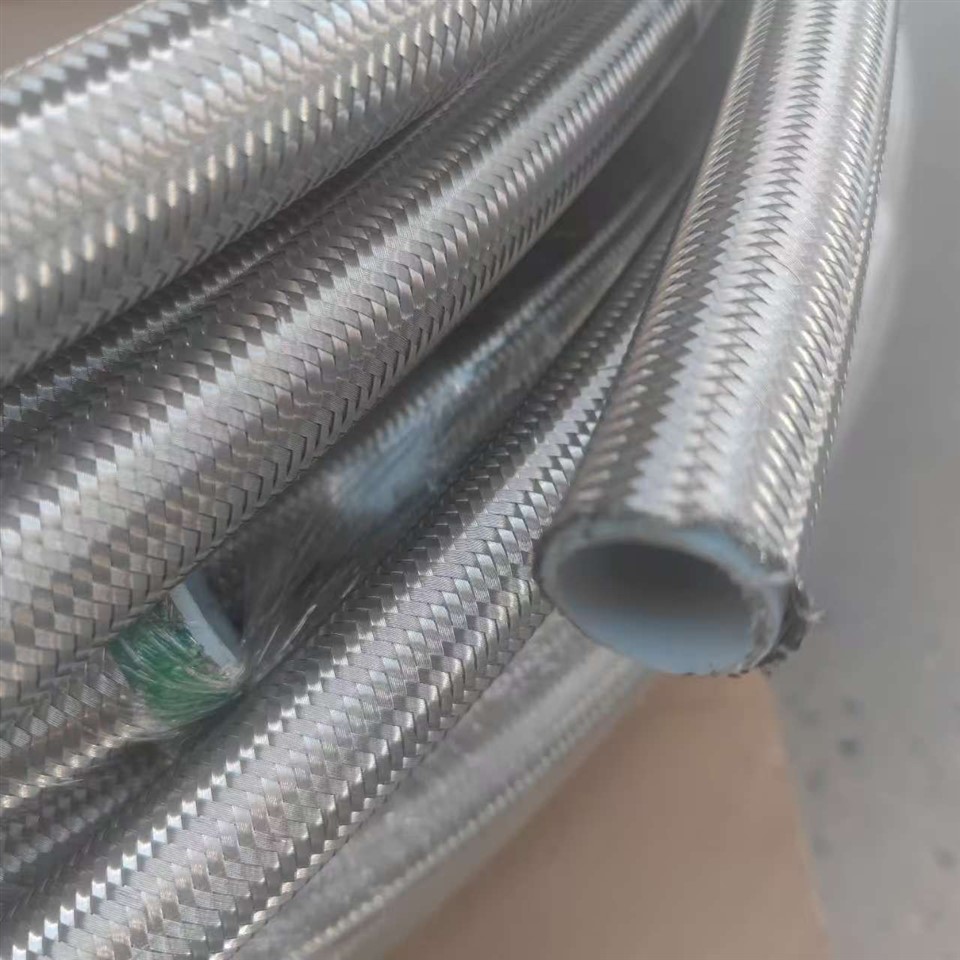
Before we dive into the cutting process, let's take a quick look at what SAE 100 R14 Hose is. This type of hose is designed for high-pressure hydraulic applications. It's made up of an inner tube, reinforcement layers, and an outer cover. The inner tube is usually made of synthetic rubber, which is resistant to hydraulic fluids. The reinforcement layers provide strength and support, and the outer cover protects the hose from abrasion, weather, and other environmental factors.
Tools You'll Need
To cut SAE 100 R14 Hose accurately, you'll need the right tools. Here's a list of what you'll need:
- Hose Cutter: A good quality hose cutter is essential. Look for one that's designed specifically for cutting hydraulic hoses. It should have sharp blades and a sturdy construction.
- Measuring Tape: You'll need a measuring tape to measure the length of the hose you need to cut. Make sure it's accurate and easy to read.
- Marker: A marker will come in handy for marking the cutting point on the hose.
- Safety Gear: Don't forget to wear safety gear, such as gloves and safety glasses, to protect yourself from any potential hazards.
Preparing the Hose
Once you have your tools ready, it's time to prepare the hose for cutting. Here's what you need to do:
- Measure the Length: Use your measuring tape to measure the length of the hose you need to cut. Make sure to measure from the end of the hose to the point where you want to make the cut. Mark the cutting point with your marker.
- Clean the Hose: Before you make the cut, it's a good idea to clean the hose to remove any dirt, debris, or grease. This will help ensure a clean cut and prevent any contaminants from getting into the hydraulic system.
- Secure the Hose: To prevent the hose from moving while you're cutting it, you'll need to secure it in place. You can use a vise or a hose clamp to hold the hose steady.
Cutting the Hose
Now that the hose is prepared, it's time to make the cut. Here's how to do it:
- Position the Hose Cutter: Place the hose cutter around the hose at the marked cutting point. Make sure the blades of the cutter are aligned with the cutting point.
- Apply Pressure: Slowly apply pressure to the handles of the hose cutter. Keep applying pressure until the blades cut through the hose. Make sure to apply even pressure to avoid any uneven cuts.
- Check the Cut: Once you've made the cut, check the end of the hose to make sure it's clean and straight. If the cut is uneven or jagged, you may need to make another cut.
Tips for Accurate Cutting
Here are some additional tips to help you cut SAE 100 R14 Hose accurately:
- Use a Sharp Blade: A sharp blade will make it easier to cut through the hose and ensure a clean cut. Make sure to replace the blade regularly to keep it sharp.
- Cut Slowly and Steadily: Cutting the hose slowly and steadily will help you maintain control and ensure a straight cut. Avoid rushing the process or applying too much pressure.
- Make Multiple Cuts: If the hose is thick or tough, you may need to make multiple cuts to get through it. Start by making a shallow cut and then gradually deepen the cut with each pass.
- Use a Guide: If you're having trouble making a straight cut, you can use a straight edge or a piece of scrap wood as a guide. Place the guide along the side of the hose and use it to keep the cutter straight.
Other Types of Hoses
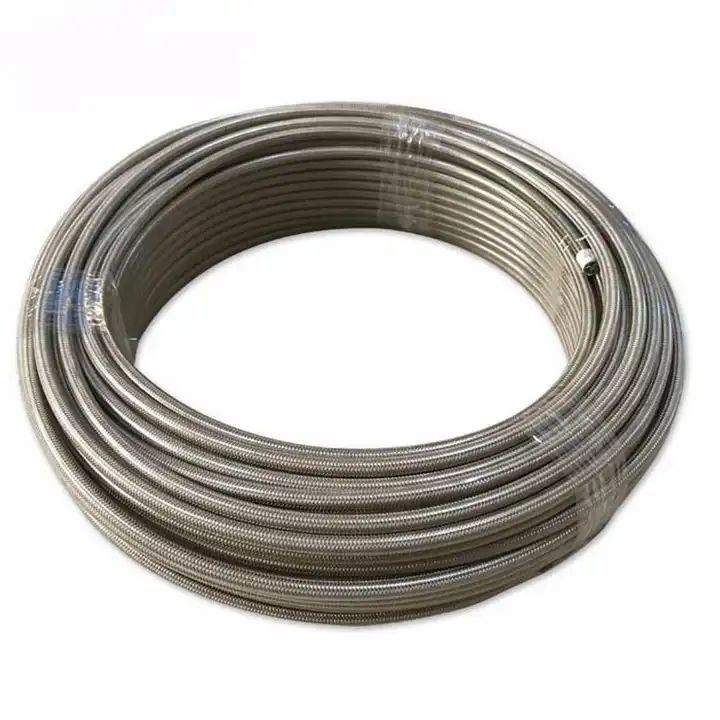
While we're on the topic of hoses, I'd like to mention a few other types of hoses that we also supply. Check out our PTFE Teflon Hose, PTFE Braided Hose, and PTFE Hose. These hoses are made of high-quality materials and are suitable for a variety of applications.
Conclusion
Cutting SAE 100 R14 Hose accurately is an important skill that can save you time and money. By following the tips and techniques outlined in this blog, you'll be able to cut the hose with precision and ensure a clean, straight cut. Remember to use the right tools, prepare the hose properly, and cut slowly and steadily. If you have any questions or need further assistance, don't hesitate to reach out. We're here to help you with all your hose needs. Whether you're a small business or a large industrial operation, we can provide you with the high-quality SAE 100 R14 Hose and other hoses you need. Contact us today to start a conversation about your specific requirements and let's work together to find the best solutions for your projects.
References
- Hydraulic Hose Handbook, various industry publications
- Manufacturer's guidelines for SAE 100 R14 Hose