

Corrosion is a significant concern for CNG (Compressed Natural Gas) hoses, as it can compromise their integrity, reduce their lifespan, and pose safety risks. As a CNG hose supplier, I understand the importance of preventing corrosion to ensure the reliable and safe operation of these hoses. In this blog post, I will share some effective strategies and best practices on how to prevent corrosion of a CNG hose.

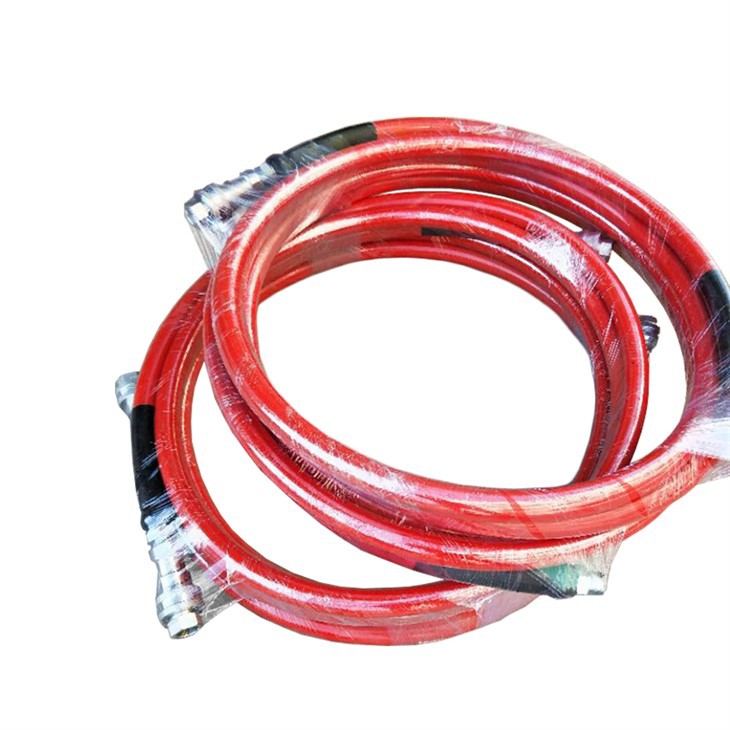
Understanding the Causes of Corrosion in CNG Hoses
Before delving into prevention methods, it's essential to understand what causes corrosion in CNG hoses. Corrosion is a natural process that occurs when a metal reacts with its environment, typically oxygen, water, and other chemicals. In the context of CNG hoses, several factors can contribute to corrosion:
- Moisture: Water is a primary catalyst for corrosion. If moisture enters the CNG system, it can react with the metal components of the hose, leading to rust and other forms of corrosion.
- Chemical Exposure: CNG may contain impurities such as sulfur compounds, which can react with the metal of the hose and cause corrosion. Additionally, exposure to external chemicals, such as road salts or cleaning agents, can also accelerate the corrosion process.
- High Pressure and Temperature: CNG hoses operate under high pressure and temperature conditions, which can increase the rate of corrosion. The stress on the hose material can cause micro - cracks, providing a pathway for moisture and chemicals to penetrate the metal.
- Improper Installation and Maintenance: Incorrect installation can lead to physical damage to the hose, which can expose the metal to the environment and promote corrosion. Lack of regular maintenance, such as inspection and cleaning, can also allow corrosion to go undetected and progress.
Preventive Measures
Material Selection
- High - Quality Metals: Choose hoses made from corrosion - resistant metals. Stainless steel is a popular choice due to its high resistance to oxidation and corrosion. It contains chromium, which forms a protective oxide layer on the surface of the metal, preventing further corrosion. For example, our High Pressure CNG Hose is constructed with high - grade stainless steel to ensure long - term durability and resistance to corrosion.
- Coatings and Linings: Apply protective coatings or linings to the hose. Epoxy coatings can provide a barrier between the metal and the environment, preventing moisture and chemicals from coming into contact with the metal. Some hoses also have a Teflon lining, which is not only resistant to corrosion but also reduces friction and wear.
Installation
- Proper Handling: During installation, handle the CNG hoses with care to avoid physical damage. Scratches or dents on the hose surface can break the protective layer and expose the metal to corrosion.
- Correct Placement: Install the hoses in a location where they are less likely to be exposed to moisture and chemicals. Avoid areas prone to water accumulation or where they may come into contact with road salts or other corrosive substances. Ensure that the hoses are properly secured to prevent movement and vibration, which can cause wear and damage over time.
Maintenance
- Regular Inspection: Establish a regular inspection schedule to check for signs of corrosion. Look for rust, discoloration, or pitting on the surface of the hose. If any signs of corrosion are detected, take immediate action to address the issue. This may involve cleaning the affected area, applying a corrosion inhibitor, or replacing the damaged section of the hose.
- Cleaning: Keep the CNG hoses clean to remove any dirt, debris, or chemicals that may contribute to corrosion. Use a mild detergent and water to clean the hoses, and avoid using abrasive materials that could damage the surface. After cleaning, dry the hoses thoroughly to prevent moisture from lingering.
- Corrosion Inhibitors: Apply corrosion inhibitors to the hoses at regular intervals. These inhibitors work by forming a protective film on the metal surface, which slows down the corrosion process. There are different types of corrosion inhibitors available, such as water - based and oil - based inhibitors. Choose the one that is suitable for your CNG hose and operating conditions.
System Design
- Moisture Removal: Incorporate moisture removal devices, such as filters and separators, into the CNG system. These devices can remove water vapor from the CNG before it enters the hoses, reducing the risk of corrosion.
- Ventilation: Ensure proper ventilation in the area where the CNG hoses are installed. Good ventilation helps to reduce humidity and prevent the accumulation of moisture, which can contribute to corrosion.
Monitoring and Testing
- Corrosion Monitoring: Implement a corrosion monitoring program to track the condition of the CNG hoses over time. This can involve using techniques such as ultrasonic testing, which can detect internal corrosion and damage without disassembling the hose.
- Pressure and Leak Testing: Regularly perform pressure and leak testing on the CNG hoses to ensure their integrity. A sudden drop in pressure or the presence of leaks can be an indication of corrosion or other damage.
Conclusion
Preventing corrosion of CNG hoses is crucial for ensuring their safety and reliability. By understanding the causes of corrosion and implementing the preventive measures outlined above, you can significantly extend the lifespan of your CNG hoses and reduce the risk of costly repairs and replacements.
As a CNG hose supplier, we are committed to providing high - quality products and expert advice on hose maintenance and corrosion prevention. Our CNG Hose 5000PSI and Compressed Natural Gas Hose are designed to meet the highest standards of quality and performance. If you have any questions or need further information on CNG hoses or corrosion prevention, please feel free to contact us for a detailed discussion and potential procurement.
References
- Fontana, M.G. (1986). Corrosion Engineering. McGraw - Hill.
- Uhlig, H.H., & Revie, R.W. (1985). Corrosion and Corrosion Control: An Introduction to Corrosion Science and Engineering. Wiley.