

Hey there! As a PTFE hose supplier, I've seen my fair share of hoses that need a little TLC. In this blog, I'm gonna walk you through how to repair a PTFE hose. Whether you're a DIY enthusiast or a professional in the industry, these steps can save you time and money.

Understanding PTFE Hoses
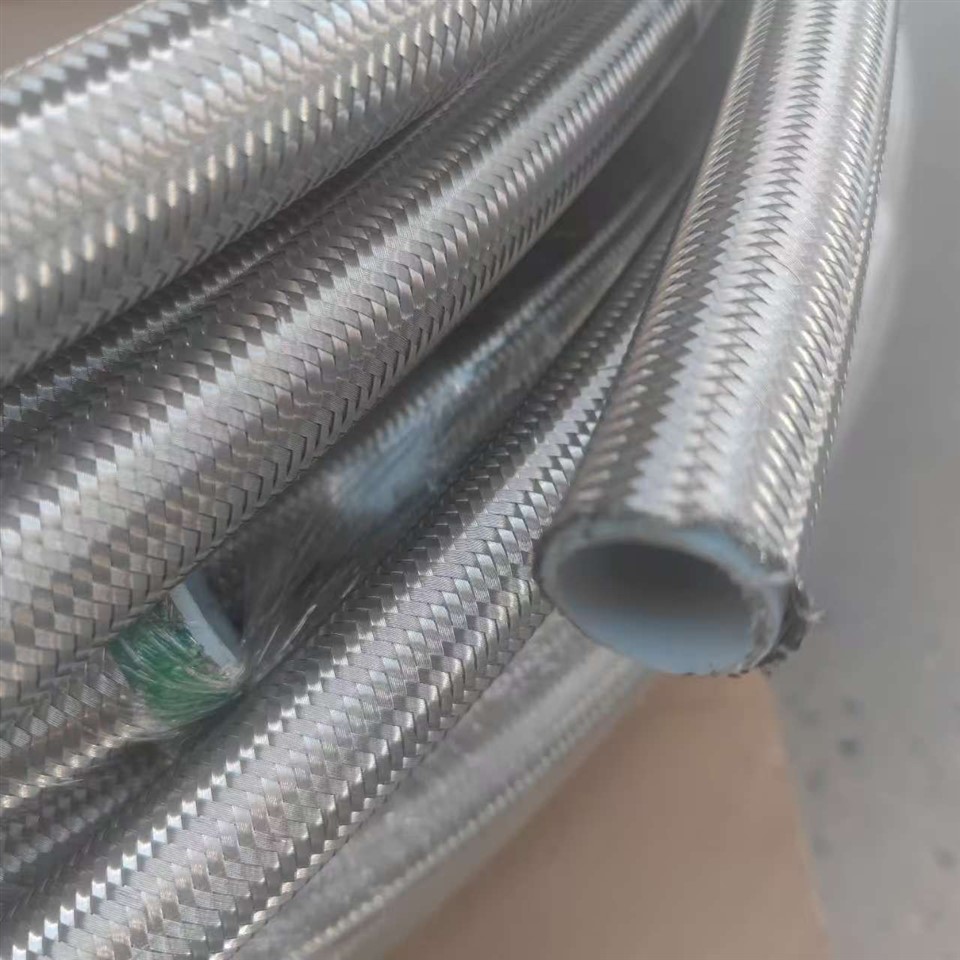
First off, let's talk a bit about PTFE hoses. PTFE, or polytetrafluoroethylene, is a synthetic fluoropolymer known for its excellent chemical resistance, high-temperature tolerance, and low friction. These hoses are used in a wide range of applications, from automotive to industrial settings. You can learn more about PTFE Hose on our website.
There are different types of PTFE hoses, like the SAE 100 R14 Hose and the SAE 100 R14 Teflonning Hose. Each type has its own specifications and uses, so it's important to know which one you're dealing with before you start the repair process.
Tools and Materials You'll Need
Before you get your hands dirty, gather the necessary tools and materials. Here's a list of what you'll typically need:
- Safety goggles and gloves: PTFE hoses can be sharp when cut, so protect your eyes and hands.
- Hose cutter: A sharp cutter will make clean cuts, which are essential for a good repair.
- Replacement fittings: Make sure you have the right size and type of fittings for your hose.
- Wrenches: You'll need wrenches to tighten the fittings properly.
- Sealant: Some hoses may require a sealant to prevent leaks.
Step-by-Step Repair Process
Step 1: Inspect the Hose
The first thing you need to do is carefully inspect the hose. Look for any visible signs of damage, such as cuts, cracks, or leaks. Check the fittings as well to make sure they're not loose or damaged. If the damage is minor, you may be able to repair the hose. However, if the damage is extensive, it may be better to replace the entire hose.
Step 2: Cut Out the Damaged Section
Once you've identified the damaged section, use the hose cutter to carefully cut it out. Make sure you cut straight across the hose to ensure a proper fit when you install the new fittings. Measure the length of the cut section so you can choose the right replacement fittings.
Step 3: Prepare the Fittings
Before you install the new fittings, you may need to prepare them. This could involve cleaning them, applying a sealant, or threading them onto the hose. Follow the manufacturer's instructions for the specific fittings you're using.
Step 4: Install the Fittings
Slide the new fittings onto the ends of the hose. Make sure they're properly aligned and seated. Use the wrenches to tighten the fittings securely. Be careful not to over-tighten, as this can damage the hose or the fittings.
Step 5: Test the Repair
Once you've installed the new fittings, it's time to test the repair. Apply pressure to the hose and check for any leaks. You can do this by connecting the hose to a pressure source or by running a fluid through the hose. If you notice any leaks, tighten the fittings a little more or apply additional sealant.
Tips and Tricks
- Take your time: Repairing a PTFE hose requires patience and precision. Rushing the process can lead to a poor repair and more problems down the road.
- Follow the manufacturer's instructions: Different hoses and fittings may have specific installation requirements. Make sure you read and follow the instructions carefully.
- Keep your tools clean: Clean tools will make the repair process easier and more efficient. After each use, wipe down your tools and store them properly.
When to Call a Professional
While many PTFE hose repairs can be done at home, there are times when it's best to call a professional. If you're not comfortable working with hoses or if the damage is complex, it's better to leave it to the experts. A professional can ensure that the repair is done correctly and safely.
Conclusion
Repairing a PTFE hose isn't as difficult as it may seem. With the right tools, materials, and a little know-how, you can save money by fixing the hose yourself. Remember to always prioritize safety and follow the proper procedures. If you have any questions or need more information about PTFE hoses or repairs, don't hesitate to contact us. We're here to help you find the right solutions for your needs. Whether you're looking to repair a hose or purchase new ones, we're your go-to PTFE hose supplier. Reach out to us to start a conversation about your requirements and let's work together to get you the best products.
References
- Manufacturer's manuals for PTFE hoses and fittings
- Industry standards and guidelines for hose repair