

As a seasoned CNG hose supplier, I understand the importance of proper storage for these crucial components. CNG hoses are designed to handle the transfer of compressed natural gas, which requires them to be in optimal condition at all times. Improper storage can lead to a variety of issues, including degradation of the hose material, reduced performance, and even safety hazards. In this blog post, I will share some expert tips on how to store a CNG hose properly.
Understanding the Importance of Proper Storage
Before delving into the storage methods, it's essential to understand why proper storage is so important. CNG hoses are made from specialized materials that are designed to withstand high pressures and harsh environments. However, these materials can be vulnerable to damage from factors such as sunlight, heat, moisture, and chemicals. When a CNG hose is stored incorrectly, these factors can cause the hose to deteriorate over time, leading to leaks, cracks, and other issues.
Proper storage not only extends the lifespan of the CNG hose but also ensures its safety and performance. A well-maintained hose is less likely to fail during operation, reducing the risk of accidents and downtime. Additionally, storing CNG hoses properly can help you comply with industry regulations and standards, which often require that hoses be stored in a manner that protects them from damage.
Ideal Storage Conditions
The first step in proper CNG hose storage is to create an environment that is conducive to maintaining the hose's integrity. Here are some key factors to consider:
Temperature
CNG hoses should be stored in a cool, dry place. Extreme temperatures can cause the hose material to expand or contract, which can lead to stress and damage. Ideally, the storage temperature should be between 10°C and 30°C (50°F and 86°F). Avoid storing hoses in areas that are exposed to direct sunlight or near sources of heat, such as heaters or boilers.
Humidity
High humidity can cause corrosion and mold growth on the hose fittings and can also degrade the hose material over time. To prevent this, store CNG hoses in an area with low humidity. If possible, use a dehumidifier to maintain a relative humidity level of less than 60%.
Ventilation
Proper ventilation is essential to prevent the accumulation of fumes and gases that can be harmful to the hose material. Store CNG hoses in a well-ventilated area, and avoid storing them in enclosed spaces or areas with poor air circulation.
Protection from Physical Damage
CNG hoses should be stored in a way that protects them from physical damage. Avoid stacking heavy objects on top of the hoses, and keep them away from sharp edges or rough surfaces that could puncture or cut the hose. If possible, store hoses on a rack or in a storage cabinet to keep them organized and protected.
Storage Methods
Once you have created the ideal storage environment, the next step is to choose the right storage method for your CNG hoses. Here are some common storage methods:
Coiling
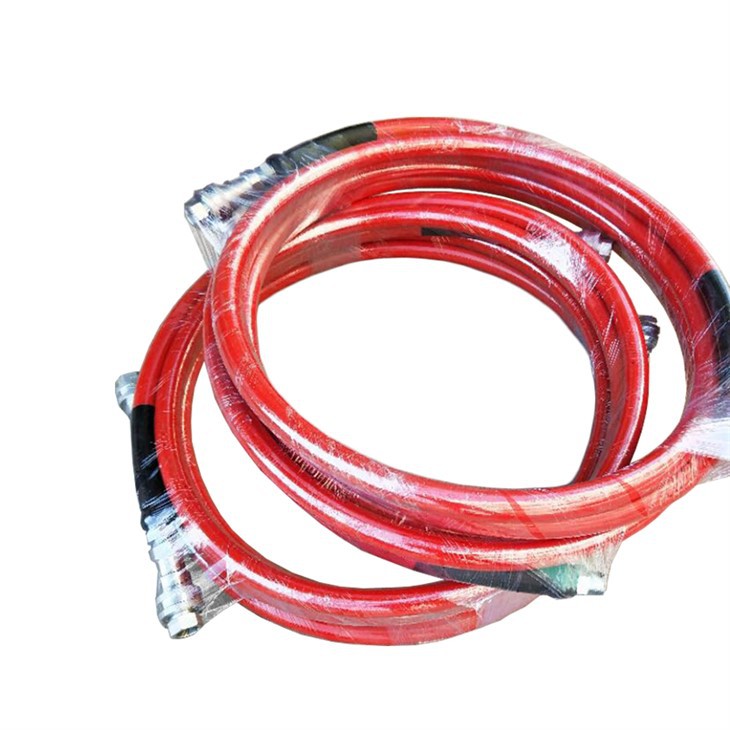
Coiling is a popular method for storing CNG hoses, as it helps to keep the hoses organized and takes up less space. When coiling a CNG hose, make sure to coil it loosely to avoid kinking or damaging the hose. Use a hose reel or a coiling tool to make the coiling process easier and more consistent.
Hanging
Hanging is another effective way to store CNG hoses. You can use hooks or hangers to suspend the hoses from a wall or ceiling. This method helps to keep the hoses off the ground, which reduces the risk of damage from foot traffic or other objects. Make sure to hang the hoses in a way that allows them to hang straight and does not put any stress on the fittings.
Horizontal Storage
If you have a large number of CNG hoses or if you prefer not to coil or hang them, you can store them horizontally on a rack or shelf. Make sure to place a protective padding between the hoses to prevent them from rubbing against each other and causing damage.
Maintenance During Storage
Proper maintenance is essential to ensure that CNG hoses remain in good condition during storage. Here are some maintenance tips:
Regular Inspections
Perform regular inspections of your stored CNG hoses to check for any signs of damage or degradation. Look for cracks, cuts, leaks, or other visible defects. If you notice any issues, replace the hose immediately.
Cleaning
Before storing a CNG hose, make sure to clean it thoroughly to remove any dirt, debris, or contaminants. Use a mild detergent and water to clean the hose, and rinse it thoroughly to remove any soap residue. Allow the hose to dry completely before storing it.
Lubrication
If the CNG hose has any moving parts or fittings, lubricate them regularly to prevent corrosion and ensure smooth operation. Use a lubricant that is compatible with the hose material and the CNG being transferred.
Labeling and Documentation
Proper labeling and documentation are important for keeping track of your CNG hoses and ensuring that they are used correctly. Here are some tips:
Label the Hoses
Label each CNG hose with its specifications, including the size, pressure rating, and date of manufacture. This will help you identify the hoses quickly and ensure that they are used in the appropriate applications.
Keep Records
Keep a record of the storage conditions, maintenance activities, and inspection results for each CNG hose. This will help you track the history of the hoses and identify any trends or issues that may require attention.
Conclusion
Proper storage of CNG hoses is essential for maintaining their performance, safety, and lifespan. By creating an ideal storage environment, choosing the right storage method, performing regular maintenance, and keeping accurate records, you can ensure that your CNG hoses are always in top condition.
If you are in the market for high-quality CNG hoses, we are here to help. As a leading CNG hose supplier, we offer a wide range of Compressed Natural Gas Hose, High Pressure CNG Hose, and Compressed Natural Gas Transfer Hose to meet your specific needs. Our hoses are manufactured to the highest standards and are designed to provide reliable performance in even the most demanding applications.

Contact us today to discuss your CNG hose requirements and to learn more about our products and services. We look forward to working with you to find the perfect solution for your business.
References
- American Petroleum Institute (API). API Spec 17K: Specification for Unbonded Flexible Pipe.
- International Organization for Standardization (ISO). ISO 13628-7: Petroleum and natural gas industries - Design and operation of subsea production systems - Part 7: Flexible pipe systems.
- National Fire Protection Association (NFPA). NFPA 52: Compressed Natural Gas (CNG) Vehicular Fuel Systems Code.