

Hey there! As a supplier of sewer cleaning hoses, I've seen firsthand how important it is to connect your hose to a water supply correctly. A proper connection ensures efficient sewer cleaning and prevents leaks and other issues. In this blog, I'll share the best ways to connect a sewer cleaning hose to a water supply, based on my experience in the industry.

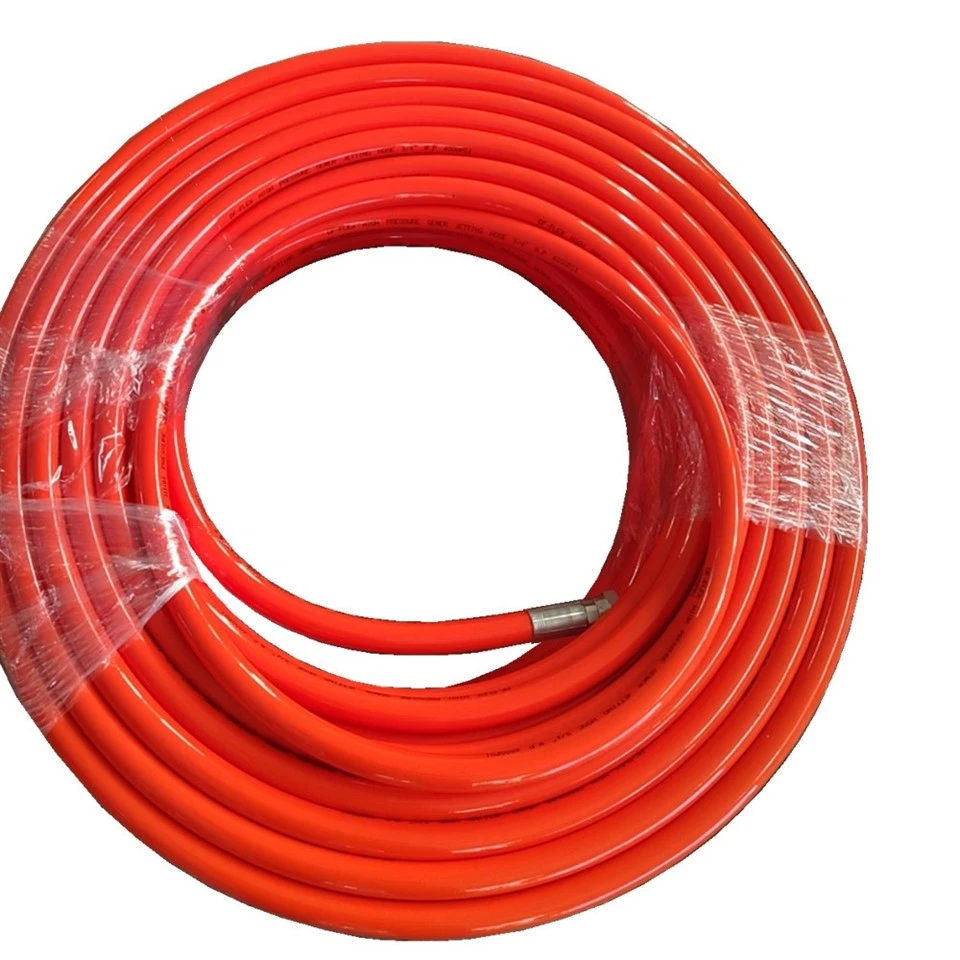
First off, let's talk about the types of hoses we offer. We have some great options like the Sewer Jetting Hose 2500PSI and the High Pressure Sewer Jetting Hose 4000PSI. These hoses are designed to handle different levels of pressure, so you can choose the one that suits your specific needs. And if you're looking for a more general high - pressure option, check out our High Pressure Sewer Jetting Hose.
1. Check Your Equipment
Before you start connecting anything, it's crucial to check all your equipment. Make sure your sewer cleaning hose is in good condition. Look for any signs of wear and tear, like cracks, cuts, or bulges. A damaged hose can cause leaks and reduce the effectiveness of your sewer cleaning. Also, check the water supply source. Whether it's a water tank or a municipal water line, ensure that it can provide the right amount of water pressure for your hose.
2. Choose the Right Fittings
Selecting the correct fittings is key to a successful connection. The fittings should match the size and type of your hose and the water supply outlet. There are different types of fittings available, such as threaded fittings, quick - connect fittings, and compression fittings.
- Threaded Fittings: These are common and easy to use. You just screw the fitting onto the hose and the water supply outlet. Make sure to use Teflon tape on the threads to prevent leaks. Wrap the tape around the male threads in a clockwise direction, about 3 - 4 times. This creates a tight seal when you screw the fitting together.
- Quick - Connect Fittings: These are super convenient. They allow you to connect and disconnect the hose quickly. You simply push the fitting onto the corresponding part, and it locks in place. They're great if you need to move the hose around a lot or if you're in a hurry.
- Compression Fittings: These work by compressing a ring or sleeve around the hose and the fitting. They're a bit more complicated to install than threaded or quick - connect fittings, but they provide a very secure connection.
3. Prepare the Hose
Once you've chosen the right fittings, it's time to prepare the hose. If you're using a threaded fitting, cut the end of the hose straight. You can use a sharp utility knife or a hose cutter. Make sure the cut is clean and even. Then, slide the fitting onto the hose. If it's a compression fitting, you may need to slide a compression ring or sleeve onto the hose first.
4. Connect to the Water Supply
Now, it's time to connect the hose to the water supply. If you're using a threaded fitting, carefully screw the fitting onto the water supply outlet. Don't over - tighten it, as this can damage the threads. Just tighten it enough to create a good seal. If you're using a quick - connect fitting, align the fitting with the water supply outlet and push it in until it locks.
5. Test the Connection
After you've made the connection, it's important to test it. Turn on the water supply slowly and check for any leaks. Look around the fittings and along the hose for any signs of water dripping or spraying. If you find a leak, turn off the water supply immediately. You may need to tighten the fitting or add more Teflon tape.
6. Safety First
When connecting a sewer cleaning hose to a water supply, safety should always be your top priority. Wear protective gear, like gloves and safety glasses. High - pressure water can cause serious injuries if it comes into contact with your skin or eyes. Also, make sure the area around the connection is clear of any obstacles. You don't want to trip or fall while you're working.
7. Maintenance
Once you've successfully connected the hose and completed your sewer cleaning job, it's important to maintain your equipment. After each use, drain the water from the hose. Store the hose in a cool, dry place. This helps prevent damage and extends the life of the hose. Regularly inspect the fittings for any signs of wear and replace them if necessary.
8. Troubleshooting
Sometimes, you may encounter problems when connecting the hose to the water supply. Here are some common issues and how to fix them:
- Leaking Fittings: As mentioned earlier, this can be due to loose fittings or improper use of Teflon tape. Tighten the fitting or add more tape. If the fitting is damaged, replace it.
- Low Water Pressure: This could be because the water supply source can't provide enough pressure. Check the water supply source. You may need to adjust the settings on a water pump or contact your water provider if it's a municipal water line.
- Hose Kinking: If the hose kinks, it can reduce the water flow. Try to straighten the kink gently. You can also use a hose reel to store the hose properly and prevent kinking.
In conclusion, connecting a sewer cleaning hose to a water supply doesn't have to be a difficult task. By following these steps, you can ensure a proper connection and efficient sewer cleaning. Remember, choosing the right hose, fittings, and following safety procedures are all important.
If you're in the market for a high - quality sewer cleaning hose, we've got you covered. Our Sewer Jetting Hose 2500PSI, High Pressure Sewer Jetting Hose 4000PSI, and High Pressure Sewer Jetting Hose are made from top - notch materials and are built to last. If you have any questions or want to discuss your specific needs, feel free to reach out. We're here to help you make the best choice for your sewer cleaning projects.
References
- "Hose Fitting Handbook" - A comprehensive guide on different types of hose fittings and their installation.
- "High - Pressure Water Systems Safety Manual" - Provides safety guidelines for working with high - pressure water hoses.