

Hey there! I'm a supplier of PTFE Braided Hose, and today I wanna chat about something super important in our industry - the burst pressure of PTFE braided hose.
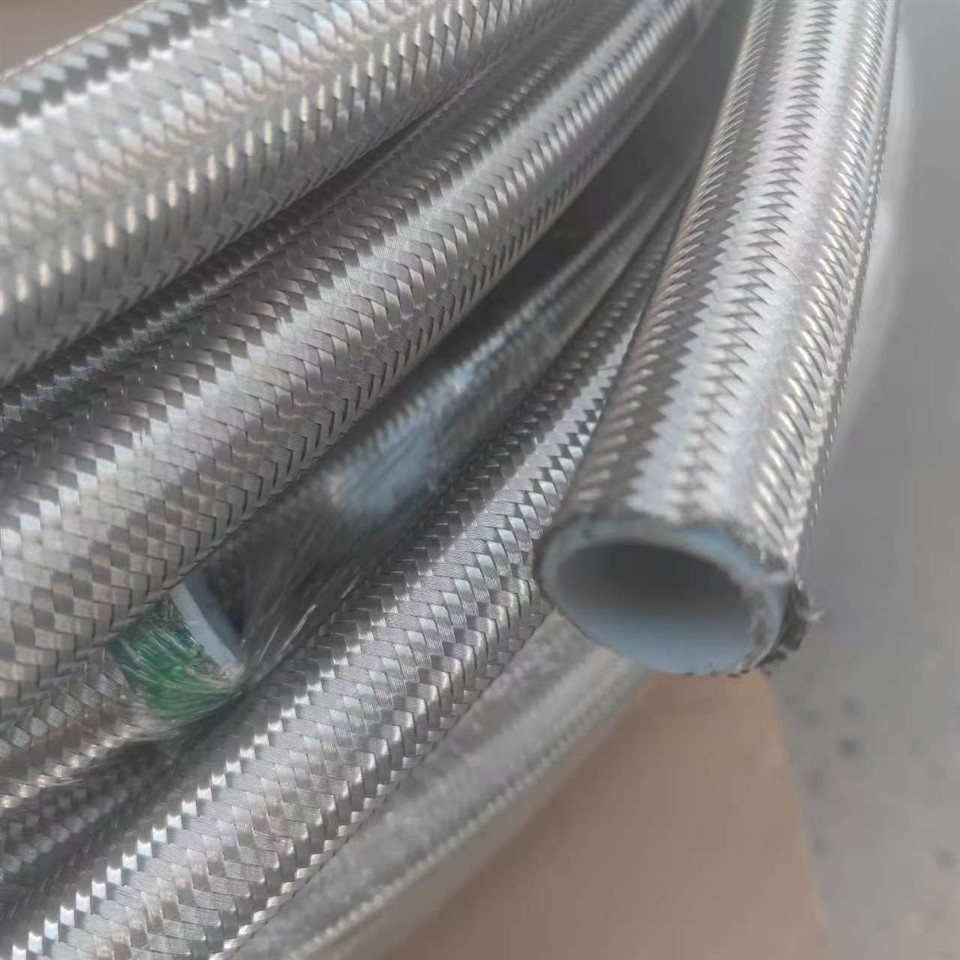
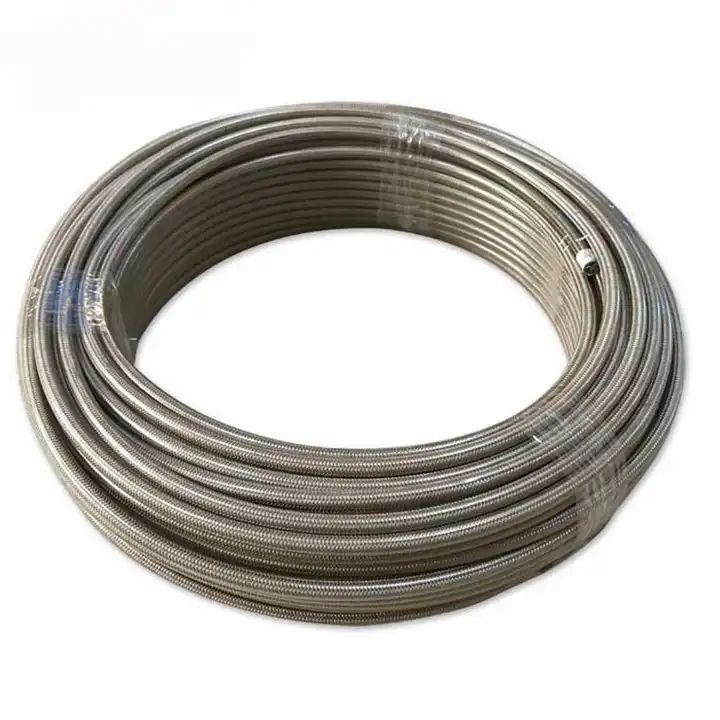
First off, let's get a basic understanding of what PTFE braided hose is. PTFE, or polytetrafluoroethylene, is an amazing material known for its outstanding chemical resistance, low friction, and high - temperature tolerance. When you braid it, you add an extra layer of strength and durability. You can check out more about PTFE Braided Hose on our website.
Now, what exactly is burst pressure? Well, burst pressure is the maximum pressure that a hose can withstand before it fails catastrophically. It's not the same as the working pressure, which is the normal pressure that the hose is designed to handle during regular use. Working pressure is usually a fraction of the burst pressure, often around one - third to one - fifth of it, to ensure safety and a long service life.
There are several factors that affect the burst pressure of PTFE braided hoses. One of the most significant factors is the construction of the hose. The thickness of the PTFE liner plays a big role. A thicker liner can generally withstand higher pressures. For example, if you have a hose with a thin PTFE liner, it might burst at a relatively low pressure compared to a hose with a thick liner.
The type of braiding also matters. There are different materials used for braiding, such as stainless steel, which is very strong and can significantly increase the burst pressure of the hose. Stainless steel braiding provides excellent reinforcement, distributing the pressure evenly across the hose and preventing it from expanding too much under high pressure.
Another factor is the diameter of the hose. Generally, smaller - diameter hoses can handle higher pressures than larger - diameter ones. This is because the pressure acts on a smaller surface area in a smaller - diameter hose, so the force is more concentrated and the hose can better resist it.
Temperature is also a crucial factor. PTFE has good high - temperature resistance, but extreme temperatures can still affect the burst pressure. At high temperatures, the material can become more pliable, reducing its ability to withstand pressure. On the other hand, at very low temperatures, the material can become brittle, which also increases the risk of bursting.
Let's talk about how we test the burst pressure of PTFE braided hoses. We usually use a hydraulic test rig. The hose is filled with a fluid, typically water or oil, and then pressure is gradually increased until the hose bursts. During the test, we carefully monitor the pressure and record the exact point at which the hose fails. This data is used to determine the burst pressure rating of the hose.
It's important to note that burst pressure ratings are not just for show. They are essential for ensuring the safety of the hose in different applications. For example, in industrial settings where high - pressure fluids are being transferred, using a hose with an appropriate burst pressure rating is crucial to prevent accidents and leaks.
In the market, you can find a wide range of PTFE braided hoses with different burst pressure ratings. If you're looking for a PTFE Flexible Hose, you need to consider your specific requirements. If you're dealing with high - pressure applications, you'll need a hose with a high burst pressure rating. But if your application has lower pressure requirements, you can choose a more cost - effective option with a lower burst pressure.
We, as a PTFE braided hose supplier, understand the importance of providing accurate burst pressure information to our customers. We make sure that all our hoses are tested rigorously to meet the highest standards. Our team of experts is always available to help you choose the right hose for your needs, taking into account factors like the working pressure, temperature, and the type of fluid being transferred.
If you're in the market for a PTFE Hose, don't hesitate to reach out to us. We can provide you with detailed product information, including the burst pressure ratings of our hoses. We also offer customized solutions, so if you have specific requirements, we can work with you to develop a hose that meets your exact needs.
In conclusion, understanding the burst pressure of PTFE braided hoses is crucial for anyone using these hoses in their applications. It helps ensure safety, efficiency, and a long service life. Whether you're in the chemical industry, the food and beverage industry, or any other industry that requires high - performance hoses, choosing the right PTFE braided hose with the appropriate burst pressure rating is essential.
If you're interested in purchasing PTFE braided hoses, or if you have any questions about burst pressure or our products in general, feel free to contact us. We're here to help you make the right choice and ensure that your operations run smoothly.
References:
- Industry standards for PTFE hoses
- Technical manuals on hose construction and pressure ratings
- Research studies on the mechanical properties of PTFE materials