

What is the maximum bending radius of a PTFE Hose?
As a PTFE hose supplier, I often get asked about the maximum bending radius of PTFE hoses. This is a crucial question, as the bending radius can significantly impact the performance, lifespan, and safety of the hose in various applications. In this blog post, I'll delve into the concept of the maximum bending radius of PTFE hoses, factors that influence it, and why it matters.
Understanding the Maximum Bending Radius
The maximum bending radius of a PTFE hose refers to the smallest radius at which the hose can be bent without causing permanent damage, such as kinking, collapsing, or reducing the internal flow area. It is typically measured from the center of the bend to the centerline of the hose. For instance, if a hose has a maximum bending radius of 5 inches, it means the hose can be bent in a curve with a center radius of at least 5 inches without adverse effects.
Why the Maximum Bending Radius Matters
- Flow Efficiency: A proper bending radius ensures that the internal diameter of the hose remains consistent, allowing for smooth fluid flow. If the hose is bent beyond its maximum radius, it can lead to a reduction in the flow area, increasing pressure drop and potentially affecting the overall system performance.
- Hose Lifespan: Excessive bending can cause stress and fatigue on the hose material, leading to premature wear and tear. Over time, this can result in leaks, cracks, or even complete hose failure, which can be costly and dangerous in industrial applications.
- Safety: In applications where the hose is carrying hazardous or high - pressure fluids, maintaining the correct bending radius is essential for safety. A damaged hose can pose a risk of leakage, which may lead to environmental contamination, injury to personnel, or damage to equipment.
Factors Influencing the Maximum Bending Radius
- Hose Construction: Different types of PTFE hoses have different maximum bending radii. For example, PTFE Braided Hose generally has a better flexibility and a smaller maximum bending radius compared to a non - braided PTFE hose. The braiding provides additional support and reinforcement, allowing the hose to bend more easily without collapsing.
- Hose Diameter: Generally, larger diameter hoses have larger maximum bending radii. This is because the material has to stretch and conform to a larger curvature when the hose is bent. For instance, a 2 - inch diameter PTFE hose will have a larger maximum bending radius than a 1 - inch diameter hose.
- Wall Thickness: Thicker - walled PTFE hoses tend to have larger maximum bending radii. The extra material makes the hose stiffer and less flexible, requiring a larger radius to bend without damage.
- Operating Conditions: The temperature, pressure, and the type of fluid being conveyed can also affect the maximum bending radius. High - temperature applications can make the PTFE material more pliable, allowing for a smaller bending radius. Conversely, high - pressure applications may require a larger bending radius to prevent the hose from collapsing under pressure.
Measuring the Maximum Bending Radius
To determine the maximum bending radius of a PTFE hose, manufacturers typically conduct tests using specialized equipment. These tests involve bending the hose to different radii and observing for signs of damage, such as kinking, deformation, or a significant reduction in the internal diameter. The smallest radius at which the hose can be bent without any visible damage is then recorded as the maximum bending radius.
In practical applications, it's important to use proper bending tools and techniques to ensure that the hose is bent within its specified maximum radius. This may involve using bending jigs or mandrels to maintain the correct curvature during installation.
Industry Standards and Guidelines
There are several industry standards that provide guidelines on the maximum bending radius of PTFE hoses. For example, the Society of Automotive Engineers (SAE) has standards for hoses, including the SAE 100 R14 Hose. These standards help ensure that hoses are designed and used in a safe and efficient manner across different industries.
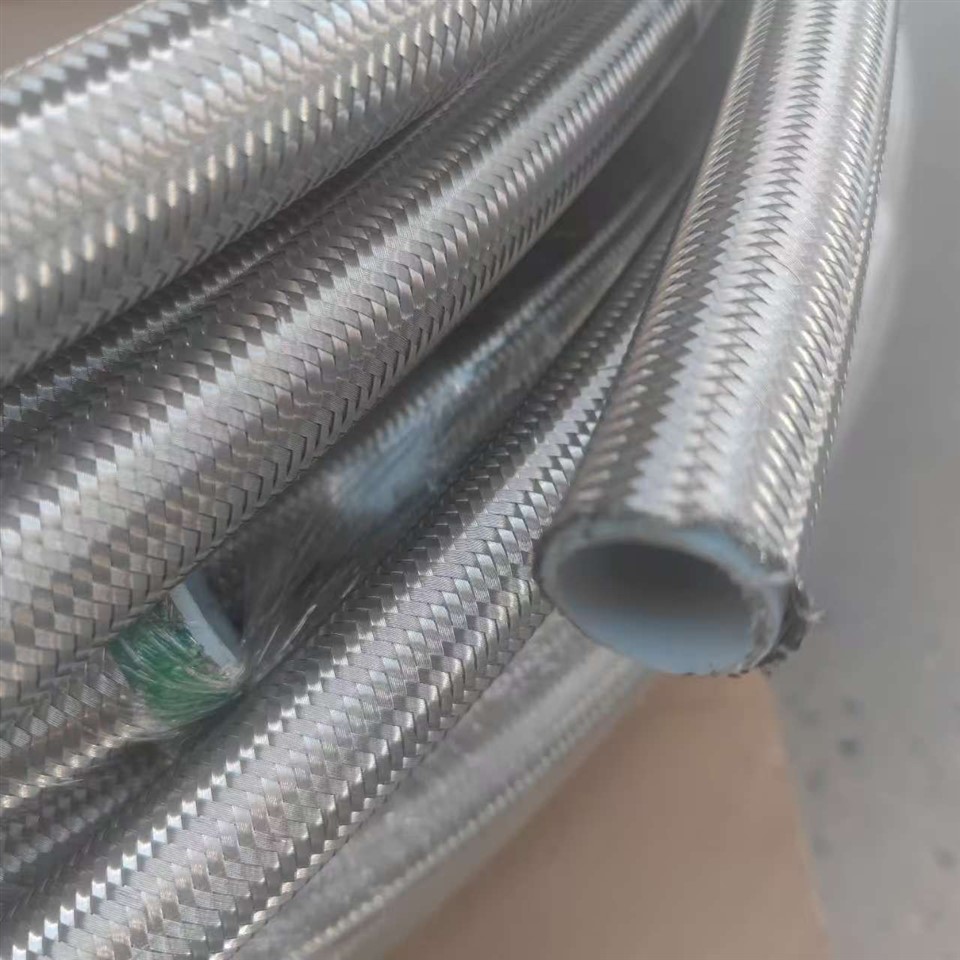

When selecting a PTFE hose for a particular application, it's important to refer to these standards and choose a hose that meets the requirements. This can help prevent issues related to improper bending and ensure the long - term performance of the hose.
Applications and the Importance of Bending Radius
- Chemical Processing: In chemical processing plants, PTFE hoses are often used to convey corrosive chemicals. Maintaining the correct bending radius is crucial to prevent leaks and ensure the safe handling of these chemicals. A damaged hose can lead to chemical spills, which can be extremely dangerous and costly to clean up.
- Automotive Industry: PTFE hoses are used in automotive applications, such as fuel lines and coolant systems. The bending radius must be carefully considered during installation to ensure proper fluid flow and prevent hose failure, which could lead to engine problems or safety hazards.
- Food and Beverage Industry: In the food and beverage industry, PTFE hoses are used to transfer food products. A proper bending radius is necessary to maintain the hygiene and integrity of the product. A kinked or damaged hose can create areas where bacteria can grow, leading to contamination.
Conclusion
In conclusion, the maximum bending radius of a PTFE hose is a critical factor that affects its performance, lifespan, and safety. As a PTFE Hose supplier, I understand the importance of providing accurate information about the maximum bending radius to our customers. By considering factors such as hose construction, diameter, wall thickness, and operating conditions, we can help our customers select the right hose for their applications and ensure proper installation.
If you are in need of PTFE hoses for your industrial, automotive, or other applications, I encourage you to reach out to us. Our team of experts can assist you in choosing the right hose based on your specific requirements, including the maximum bending radius. We are committed to providing high - quality PTFE hoses and excellent customer service. Let's discuss your needs and find the perfect solution for your project.
References
- Society of Automotive Engineers (SAE) standards on hose design and performance.
- Manufacturer's specifications and technical data sheets for PTFE hoses.
- Industry research on the properties and applications of PTFE hoses.