

Hey there! As a supplier of CNG hoses, I often get asked about the shock resistance of these crucial components. So, let's dive right in and break down what shock resistance means for a CNG hose.
First off, what's a CNG hose? Well, it's a specialized hose designed to handle compressed natural gas (CNG). CNG is a popular alternative fuel because it's cleaner and more cost - effective compared to traditional gasoline or diesel. And these hoses play a vital role in transporting CNG from storage to the point of use, like in vehicles or industrial applications.
Now, shock resistance is super important for CNG hoses. You see, in real - world scenarios, hoses can face all sorts of shocks. For example, in a vehicle, when the engine starts or stops suddenly, there can be pressure surges in the CNG system. These pressure surges are like little shocks to the hose. If the hose isn't shock - resistant enough, it could lead to leaks, cracks, or even a complete failure. And that's a big no - no, not just because it can waste precious CNG but also because it poses a safety risk.
So, what factors contribute to the shock resistance of a CNG hose?
Materials Matter
The materials used in making the hose are a huge deal. Most high - quality CNG hoses, like our CNG HOSE With Aramid Fiber, use advanced materials. Aramid fiber, for instance, is incredibly strong and flexible. It can withstand high levels of stress without breaking. When it's incorporated into the hose's construction, it acts like a reinforcement. It helps the hose absorb the energy from shocks and distribute it evenly across the hose. This way, no single part of the hose gets overloaded, reducing the chances of damage.
Another common material is high - grade rubber. The inner tube of the hose is usually made of rubber that's resistant to CNG. It needs to be tough enough to handle the constant flow of gas and any minor abrasions that might occur. The outer layer of the hose also plays a role. It protects the inner layers from external factors like cuts, abrasions, and environmental damage. If the outer layer is made of a durable material, it can prevent small damages from turning into big problems when the hose experiences shocks.
Design and Construction
The design of the hose is also key. A well - designed CNG hose has multiple layers. Each layer has a specific function. For example, there are usually reinforcement layers between the inner tube and the outer layer. These reinforcement layers are often made of materials like steel wire or synthetic fibers. They add strength to the hose and help it resist the forces generated by shocks.
The way these layers are bonded together is crucial too. If the layers are not properly bonded, they can separate when the hose experiences a shock. This separation can lead to a loss of structural integrity and eventually, hose failure. Our manufacturing process ensures that all the layers are tightly bonded, creating a strong and shock - resistant hose.
Testing and Certification
We don't just rely on the materials and design. We also put our hoses through rigorous testing. We simulate real - world conditions to see how the hoses perform under different levels of shock. For example, we use pressure testing equipment to create sudden pressure surges in the hose and monitor its response. If the hose shows any signs of weakness during these tests, we go back to the drawing board and make improvements.
In addition to our in - house testing, our hoses also meet international standards and certifications. These certifications are a guarantee that our hoses have been tested and proven to be shock - resistant. When you buy a CNG hose from us, you can be confident that it has gone through all the necessary checks.
Comparing Different Types of CNG Hoses
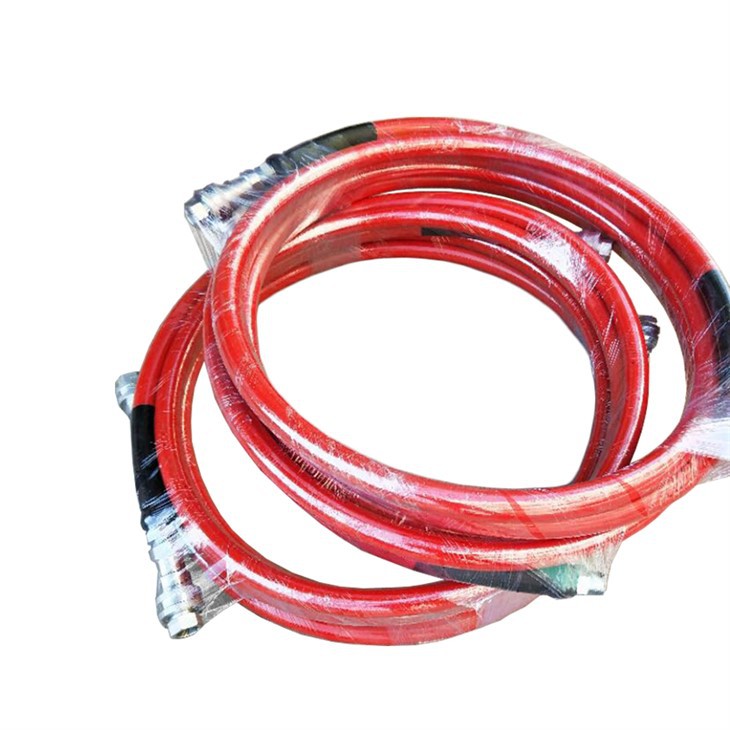
Let's talk about the different types of CNG hoses and how their shock resistance varies. Our High Pressure CNG Hose is designed to handle high - pressure CNG. These hoses need to be extra shock - resistant because the pressure in the system is much higher. The higher the pressure, the more forceful the shocks can be. So, we use even stronger materials and more advanced construction techniques in these hoses.
On the other hand, our Compressed Natural Gas Hose is a more general - purpose hose. It's suitable for a wide range of applications where the pressure is not as extreme. While it still needs to be shock - resistant, the requirements are a bit different. But make no mistake, we still ensure that all our hoses, regardless of their type, have a high level of shock resistance.

Real - World Applications
In the automotive industry, CNG hoses are used in vehicles that run on compressed natural gas. These vehicles can experience all sorts of shocks, from normal driving vibrations to sudden stops and starts. A shock - resistant CNG hose is essential to ensure the safe and efficient operation of the vehicle. If the hose fails due to a shock, it can lead to a loss of power, increased emissions, and even safety hazards.
In industrial applications, CNG hoses are used to transfer CNG from storage tanks to various equipment. These hoses need to be able to withstand the shocks that come with the operation of heavy machinery. For example, in a manufacturing plant, there might be sudden movements or vibrations that can affect the hose. A shock - resistant hose can prevent leaks and ensure that the CNG supply remains uninterrupted.
Why Choose Our CNG Hoses?
As a supplier, we take pride in offering high - quality CNG hoses with excellent shock resistance. Our hoses are made from the best materials, designed with the latest technology, and tested to the highest standards. We understand the importance of shock resistance in ensuring the safety and reliability of CNG systems.
When you choose our hoses, you're not just getting a product. You're getting peace of mind. You can be confident that your CNG system will operate smoothly, even in the face of shocks. Whether you're in the automotive industry or an industrial application, our hoses are the right choice.
If you're in the market for CNG hoses, we'd love to talk to you. We can help you choose the right hose for your specific needs and answer any questions you might have. Contact us today to start a conversation about your CNG hose requirements. Let's work together to ensure that your CNG system is safe, efficient, and shock - resistant.
References
- Industry standards for CNG hoses
- Research on materials for shock - resistant hoses
- Internal testing reports from our manufacturing facility