

Yo, folks! As a supplier of PTFE Teflon hoses, I often get asked about the tear strength of these bad boys. So, I thought I'd break it down for you in a way that's easy to understand.
First off, let's talk about what PTFE Teflon is. PTFE, or polytetrafluoroethylene, is a synthetic fluoropolymer that's known for its high chemical resistance, low friction coefficient, and excellent thermal stability. Teflon is actually a brand name for PTFE, but the terms are often used interchangeably.
PTFE Teflon hoses are used in a wide range of applications, from automotive and aerospace to chemical processing and food and beverage. They're great because they can handle high temperatures, corrosive chemicals, and high-pressure environments. But, like any material, they have their limits, and that's where tear strength comes in.
Tear strength is a measure of how resistant a material is to tearing. In the case of PTFE Teflon hoses, it's important because these hoses are often subjected to bending, stretching, and other types of mechanical stress. If the tear strength is too low, the hose could develop cracks or tears, which could lead to leaks and other problems.
There are a few factors that can affect the tear strength of PTFE Teflon hoses. One of the biggest factors is the thickness of the hose wall. Generally speaking, thicker walls will have higher tear strength. This is because there's more material to resist the tearing force. However, thicker walls also mean a heavier and more rigid hose, which may not be ideal for some applications.
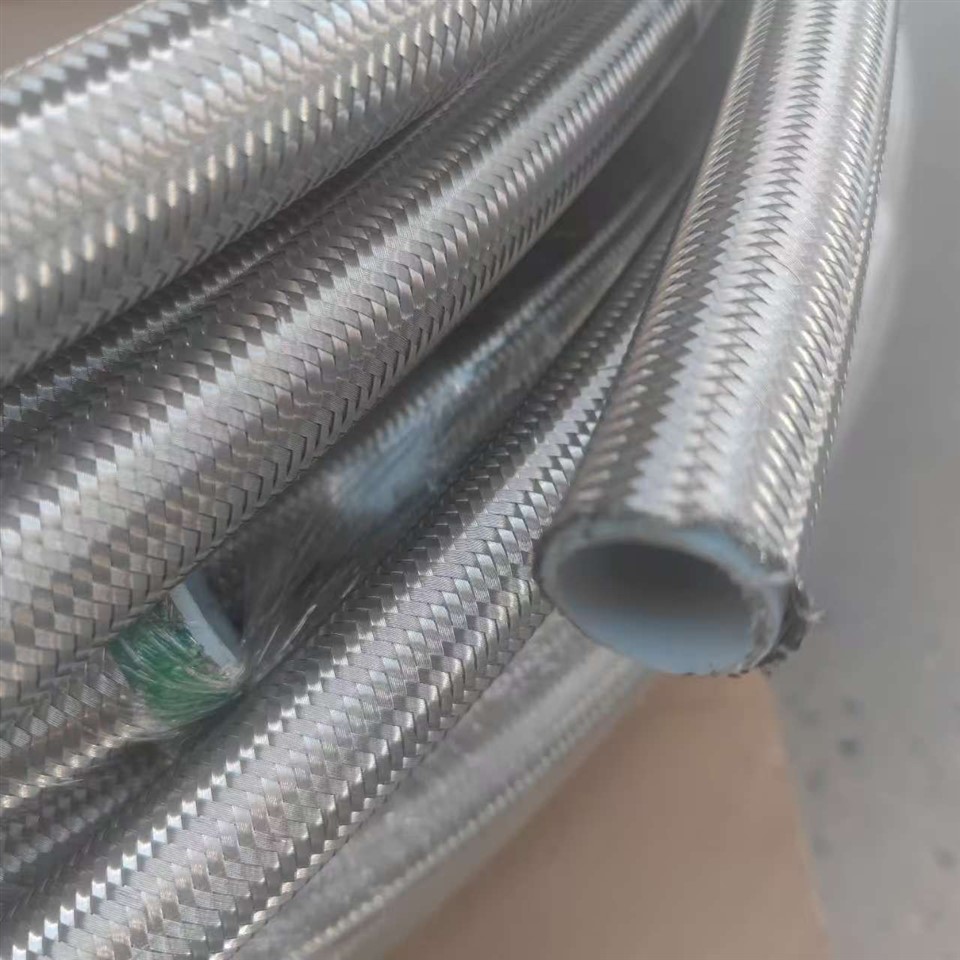
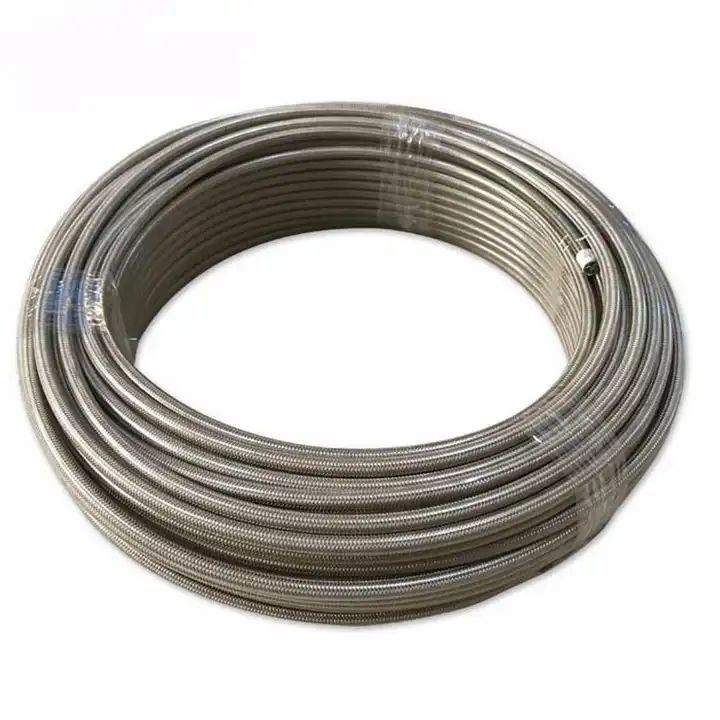
Another factor is the type of reinforcement used in the hose. Many PTFE Teflon hoses are reinforced with a braid or spiral of stainless steel, aramid, or other materials. These reinforcements can significantly increase the tear strength of the hose, as well as its burst pressure and flex life. For example, a PTFE Braided Hose with a stainless steel braid will be much more tear-resistant than a non-reinforced hose.
The manufacturing process can also have an impact on tear strength. High-quality PTFE Teflon hoses are typically made using a process called extrusion, which involves forcing the PTFE material through a die to create the desired shape. This process can help to align the polymer chains in the PTFE, which can improve its mechanical properties, including tear strength.
Now, let's talk about how tear strength is measured. There are a few different methods, but one of the most common is the ASTM D1004 test. This test involves cutting a sample of the hose material into a specific shape and then pulling it apart at a constant rate until it tears. The force required to tear the sample is then measured, and this is used to calculate the tear strength.
The tear strength of PTFE Teflon hoses can vary depending on the specific type of hose and its intended application. For example, a SAE 100 R14 Hose, which is designed for use in high-pressure hydraulic systems, will typically have a higher tear strength than a standard PTFE Hose used for chemical transfer.
So, why is tear strength important for you as a customer? Well, if you're using PTFE Teflon hoses in a critical application, such as in a chemical plant or an aircraft, you need to be sure that the hoses can withstand the stresses they'll be subjected to. A hose with low tear strength could fail prematurely, which could lead to costly downtime, product loss, and even safety hazards.
On the other hand, if you're using PTFE Teflon hoses in a less demanding application, such as in a laboratory or a food processing facility, you may not need a hose with extremely high tear strength. In these cases, you may be able to save money by choosing a hose with a lower tear strength but still get the performance you need.
As a supplier, we offer a wide range of PTFE Teflon hoses with different tear strengths to meet the needs of our customers. We work closely with our customers to understand their specific requirements and recommend the best hose for their application. Whether you need a high-tear-strength hose for a critical application or a more cost-effective option for a less demanding use, we've got you covered.
If you're interested in learning more about the tear strength of PTFE Teflon hoses or are looking to purchase some hoses for your application, don't hesitate to reach out. We're here to help you make the right choice and ensure that your hoses perform as expected.
In conclusion, tear strength is an important property of PTFE Teflon hoses that can have a big impact on their performance and reliability. By understanding the factors that affect tear strength and choosing the right hose for your application, you can ensure that you get the most out of your PTFE Teflon hoses.
References
- ASTM D1004 - Standard Test Method for Tear Resistance of Plastic Film and Sheeting
- Various technical documents on PTFE Teflon hoses from industry manufacturers.