

Hey there! As a supplier of PTFE Braided Hose, I've seen firsthand how crucial air - tightness is in pneumatic systems. A leaky hose can lead to all sorts of problems, like reduced system efficiency, increased energy consumption, and even safety hazards. So, in this blog, I'm gonna share some tips on how to improve the air - tightness of PTFE Braided Hose in pneumatic systems.
Understanding PTFE Braided Hose
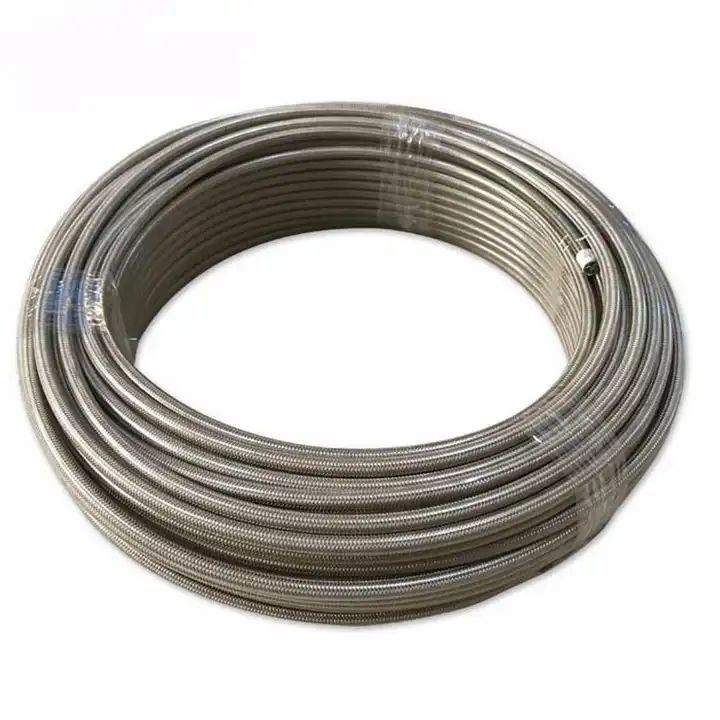
First off, let's quickly go over what PTFE Braided Hose is. PTFE, or polytetrafluoroethylene, is a synthetic fluoropolymer known for its excellent chemical resistance, high - temperature tolerance, and low friction coefficient. When it's braided, it gets extra strength and durability. You can find more details about PTFE Braided Hose on our website.
Selecting the Right Hose
The first step in ensuring air - tightness is choosing the right PTFE Braided Hose for your pneumatic system. You need to consider factors like the operating pressure, temperature, and the type of gas or fluid being transported. A hose that's not rated for the system's pressure can burst or develop leaks over time.
For example, if your system operates at high pressures, you'll want a hose with a thick wall and a strong braid. On the other hand, if the temperature is extremely high, make sure the PTFE material can withstand it. You can check out our range of PTFE Hose to find the perfect fit for your needs.
Proper Installation
Even the best - quality hose won't be air - tight if it's not installed correctly. Here are some key installation tips:
Cutting the Hose
When cutting the PTFE Braided Hose, use a sharp, clean cutter. A dull cutter can cause fraying or uneven cuts, which can lead to leaks at the connection points. Make sure the cut is perpendicular to the hose axis for a proper seal.
Fitting Selection and Installation
Choose the right fittings for your hose. They should be compatible with both the hose and the pneumatic system components. When installing the fittings, follow the manufacturer's instructions carefully. Over - tightening or under - tightening the fittings can cause leaks.
For example, if you're using compression fittings, make sure the compression ring is properly seated and the nut is tightened to the recommended torque. Using a torque wrench can help ensure consistent and accurate tightening.
Avoiding Bends and Kinks
Bends and kinks in the hose can restrict the flow and create weak points where leaks can occur. Try to route the hose in a straight line as much as possible. If bends are necessary, make sure they have a large enough radius. The minimum bend radius is usually specified by the hose manufacturer.
Regular Inspection and Maintenance
Once the hose is installed, regular inspection and maintenance are essential to keep it air - tight.
Visual Inspection
Check the hose regularly for signs of wear, damage, or leaks. Look for cracks, cuts, abrasions, or any signs of bulging. Pay special attention to the connection points and areas where the hose is bent or stressed.
Pressure Testing
Periodically perform pressure tests on the pneumatic system to detect any leaks. You can use a pressure gauge to monitor the pressure and look for any drops over time. If you notice a significant pressure drop, it could indicate a leak in the hose or other components.
Cleaning and Lubrication
Keep the hose clean and free of debris. Dirt and contaminants can damage the hose and affect its air - tightness. You can use a mild detergent and water to clean the hose, but make sure to dry it thoroughly before reinstalling it.
In some cases, lubrication of the fittings can help improve the seal. However, make sure to use a lubricant that's compatible with PTFE and the pneumatic system.
Using Sealants and Gaskets
In some situations, using sealants or gaskets can help improve the air - tightness of the hose connections.
Sealants
There are various types of sealants available for pneumatic systems. Some are designed to fill small gaps and prevent leaks at the connection points. When using a sealant, make sure it's compatible with the hose material and the gas or fluid being transported.
Gaskets
Gaskets can provide an extra layer of sealing between the hose and the fittings. They should be made of a material that can withstand the operating conditions of the pneumatic system. Replace the gaskets regularly to ensure a proper seal.
Training and Education
Make sure the people responsible for installing, inspecting, and maintaining the PTFE Braided Hose in your pneumatic system are properly trained. They should understand the importance of air - tightness and know how to perform their tasks correctly.
Training can include hands - on demonstrations, safety procedures, and troubleshooting techniques. By investing in training, you can reduce the risk of leaks and ensure the long - term performance of your pneumatic system.

Conclusion
Improving the air - tightness of PTFE Braided Hose in pneumatic systems is a multi - step process that involves selecting the right hose, proper installation, regular inspection and maintenance, and the use of appropriate sealants and gaskets. By following these tips, you can minimize the risk of leaks, improve the efficiency of your pneumatic system, and extend the lifespan of your hose.
If you're looking for high - quality PTFE Braided Hose for your pneumatic system, we're here to help. We're a reliable supplier with a wide range of products to meet your needs. You can explore our PTFE Braided Hose factory to learn more about our manufacturing process and product range.
If you have any questions or want to discuss your specific requirements, feel free to reach out. We're always happy to assist you with your PTFE Braided Hose needs and help you ensure the air - tightness of your pneumatic system.
References
- "Pneumatic System Design and Maintenance Handbook"
- Manufacturer's manuals for PTFE Braided Hose and fittings