

As a supplier of SAE 100 R14 Hose, I understand the significance of addressing the noise issues associated with this type of hose. Noise generated by SAE 100 R14 Hose can be a nuisance in various industrial applications, and it may also indicate potential problems with the hose or the overall hydraulic system. In this blog, I will discuss some effective ways to reduce the noise generated by SAE 100 R14 Hose based on my experience and industry knowledge.
Understanding the Causes of Noise in SAE 100 R14 Hose
Before we delve into the solutions, it's essential to understand the root causes of the noise. The noise from SAE 100 R14 Hose can be attributed to several factors:
- Fluid turbulence: When the hydraulic fluid flows through the hose at high speeds or with sudden changes in direction, it can create turbulent flow. This turbulence causes pressure fluctuations, which in turn generate noise.
- Hose vibration: The hose can vibrate due to the pulsating flow of the hydraulic fluid or external forces. These vibrations can transmit through the hose and the surrounding components, resulting in audible noise.
- Resonance: If the natural frequency of the hose or the hydraulic system matches the frequency of the fluid pulsations, resonance can occur. Resonance amplifies the vibrations and noise, making it more prominent.
- Poor installation: Incorrect installation of the hose, such as improper routing, kinking, or tight clamping, can restrict the fluid flow and cause noise.
Strategies to Reduce Noise
1. Optimize Fluid Flow
- Use proper sizing: Ensure that the SAE 100 R14 Hose is correctly sized for the hydraulic system. An undersized hose can cause high fluid velocities and increased turbulence, while an oversized hose may lead to inefficient flow and pressure losses. Refer to the manufacturer's guidelines or consult with a hydraulic engineer to select the appropriate hose size.
- Minimize flow restrictions: Avoid sharp bends, kinks, or restrictions in the hose routing. These can disrupt the smooth flow of the fluid and create turbulence. Use gentle curves and proper fittings to maintain a consistent flow path.
- Install flow dampeners: Flow dampeners, such as accumulators or pulsation dampeners, can be installed in the hydraulic system to reduce the pressure fluctuations caused by the pumping action. These devices absorb the pulsations and provide a more stable flow, thereby reducing noise.
2. Dampen Hose Vibrations
- Use vibration isolators: Install vibration isolators, such as rubber mounts or flexible couplings, between the hose and the equipment. These isolators absorb the vibrations and prevent them from being transmitted to the surrounding components, reducing noise.
- Secure the hose properly: Ensure that the SAE 100 R14 Hose is securely clamped and supported at regular intervals. Loose or unsecured hoses can vibrate freely, increasing the noise level. Use appropriate clamping devices that are designed to hold the hose firmly without restricting the flow or causing damage.
- Add damping materials: Wrap the hose with damping materials, such as neoprene or rubber sleeves. These materials absorb the vibrations and reduce the noise generated by the hose. They also provide additional protection against abrasion and environmental factors.
3. Prevent Resonance
- Change the hose length: If resonance is suspected, try changing the length of the SAE 100 R14 Hose. A slight change in length can alter the natural frequency of the hose and prevent it from matching the frequency of the fluid pulsations.
- Modify the system configuration: Make adjustments to the hydraulic system configuration, such as changing the pump speed or adding additional components. These changes can help to shift the operating frequency of the system away from the resonance frequency.
4. Ensure Proper Installation
- Follow the installation instructions: Always follow the manufacturer's installation instructions when installing the SAE 100 R14 Hose. This includes proper routing, clamping, and connection procedures. Incorrect installation can lead to noise and other problems in the hydraulic system.
- Use high-quality fittings: Use high-quality fittings that are compatible with the SAE 100 R14 Hose. Poorly fitting or leaking fittings can cause fluid leakage and noise. Ensure that the fittings are tightened to the correct torque specification to prevent any issues.
The Role of Hose Quality
The quality of the SAE 100 R14 Hose also plays a crucial role in reducing noise. High-quality hoses are designed to withstand the rigors of hydraulic applications and are less prone to noise generation. When selecting a SAE 100 R14 Hose, consider the following factors:
- Material: Choose a hose that is made from high-quality materials, such as synthetic rubber or PTFE Hose. These materials offer excellent resistance to abrasion, chemicals, and high pressures, ensuring a long service life and reduced noise.
- Construction: Look for hoses with a robust construction that can withstand the vibrations and pressure fluctuations in the hydraulic system. Reinforced hoses with multiple layers of braid or spiral reinforcement are generally more durable and less noisy.
- Compliance: Ensure that the SAE 100 R14 Hose meets the relevant industry standards, such as SAE 100 R14. Compliance with these standards ensures that the hose is designed and manufactured to meet specific performance requirements and is less likely to generate noise.
Conclusion
Reducing the noise generated by SAE 100 R14 Hose is essential for improving the efficiency and comfort of hydraulic systems. By understanding the causes of noise and implementing the strategies discussed in this blog, you can effectively reduce the noise level and enhance the performance of your hydraulic system.

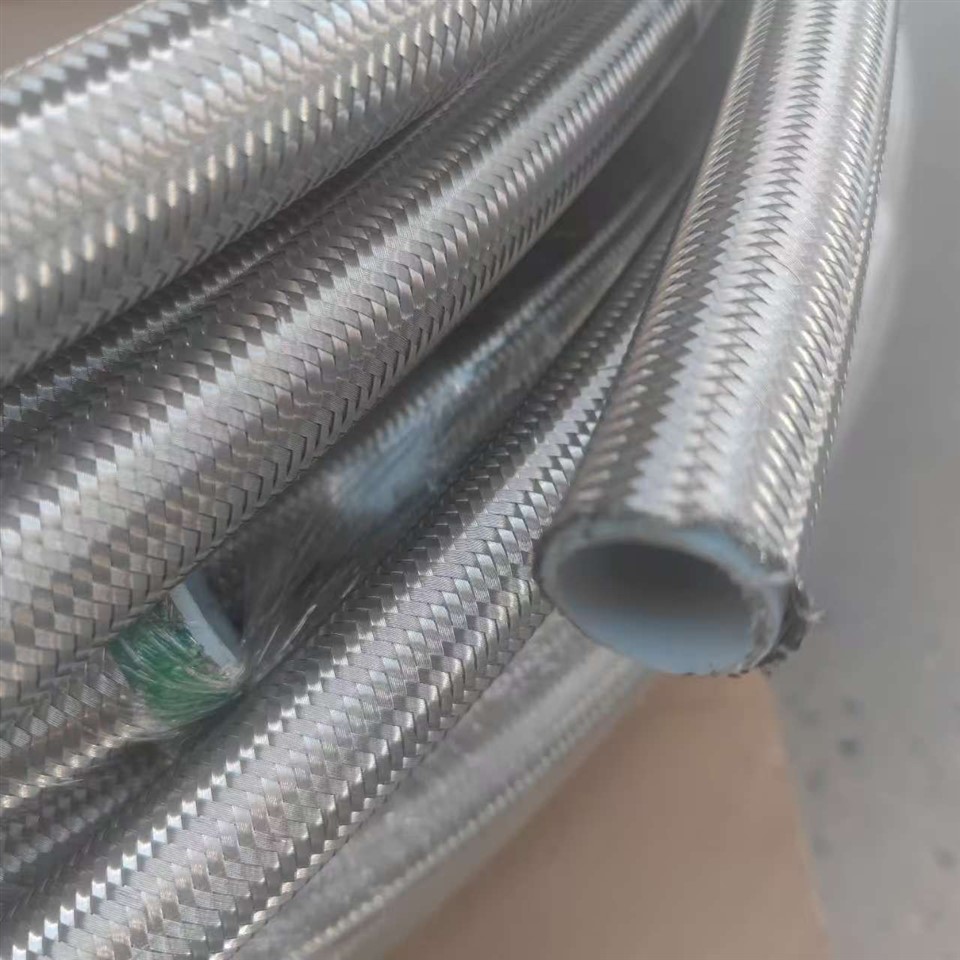
As a supplier of SAE 100 R14 Hydraulic Hose and SAE 100 R14 Hose, I am committed to providing high-quality products and technical support to help you solve your noise problems. If you have any questions or need further assistance, please feel free to contact us for procurement and negotiation. We look forward to working with you to achieve optimal results in your hydraulic applications.
References
- Hydraulic Institute. (2023). Hydraulic System Design and Installation Guide.
- Society of Automotive Engineers (SAE). (2023). SAE 100 R14 Standard for Hydraulic Hoses.
- Manufacturer's technical manuals and product specifications.