

Hey there! I'm a supplier of teflon hoses, and I've seen firsthand how important it is to store these hoses properly. Teflon hoses, also known as PTFE Hose, are super useful in a bunch of industries because they're resistant to chemicals, heat, and have a low friction coefficient. But if you don't store them right, you can end up with hoses that don't work as well or even get damaged. So, let's dive into how to store a teflon hose correctly.
Why Proper Storage Matters
First off, why does it matter how you store your teflon hoses? Well, teflon is a great material, but it's not invincible. If you expose it to the wrong conditions, it can start to break down. For example, extreme temperatures can make the hose brittle or cause it to expand and contract, which can lead to leaks or cracks over time. Chemicals can also react with the teflon, especially if they're stored in close proximity. And physical damage, like kinking or crushing, can weaken the hose and reduce its lifespan.
Ideal Storage Conditions
Temperature and Humidity
The ideal temperature for storing teflon hoses is between 10°C and 30°C (50°F and 86°F). This range helps to keep the hose in good condition and prevents any thermal stress. High humidity can also be a problem, as it can lead to corrosion of any metal fittings on the hose. So, try to keep the humidity level below 60%. If you're storing the hoses in a warehouse or a storage room, you might want to use a dehumidifier to control the humidity.
Light Exposure
Teflon hoses should be stored away from direct sunlight and other sources of UV radiation. UV rays can break down the teflon material over time, making it more prone to cracking and degradation. If possible, store the hoses in a dark area or use opaque covers to protect them.
Chemical Exposure
Keep teflon hoses away from chemicals, especially strong acids, bases, and solvents. These chemicals can react with the teflon and cause damage. If you need to store chemicals in the same area as the hoses, make sure they're properly sealed and separated by a safe distance.
Storage Methods
Coiling
One of the most common ways to store teflon hoses is by coiling them. When coiling the hose, make sure the coils are loose and not too tight. Tight coils can cause kinking and stress on the hose, which can lead to damage. You can use a hose reel or a simple coiling rack to keep the hose organized. Make sure to label the coils with the length, diameter, and other relevant information for easy identification.
Hanging
Hanging the hoses is another good option, especially for longer hoses. You can use hooks or brackets to hang the hoses vertically. This method helps to prevent kinking and allows the hose to maintain its shape. Just make sure the hooks or brackets are strong enough to support the weight of the hose and that they don't damage the hose.
Stacking
If you need to stack the hoses, make sure to do it carefully. Place a protective layer, like a piece of cardboard or foam, between each layer to prevent scratching and damage. Avoid stacking too many hoses on top of each other, as this can put too much pressure on the bottom hoses and cause them to deform.

Inspection and Maintenance
Even if you store your teflon hoses correctly, it's still important to inspect them regularly. Check for any signs of damage, such as cracks, leaks, or wear and tear. If you notice any problems, replace the hose immediately to avoid any safety issues. You should also clean the hoses periodically to remove any dirt or debris that might have accumulated. Use a mild detergent and water to clean the hoses, and make sure to dry them thoroughly before storing them again.
Special Considerations for PTFE Braided Hose
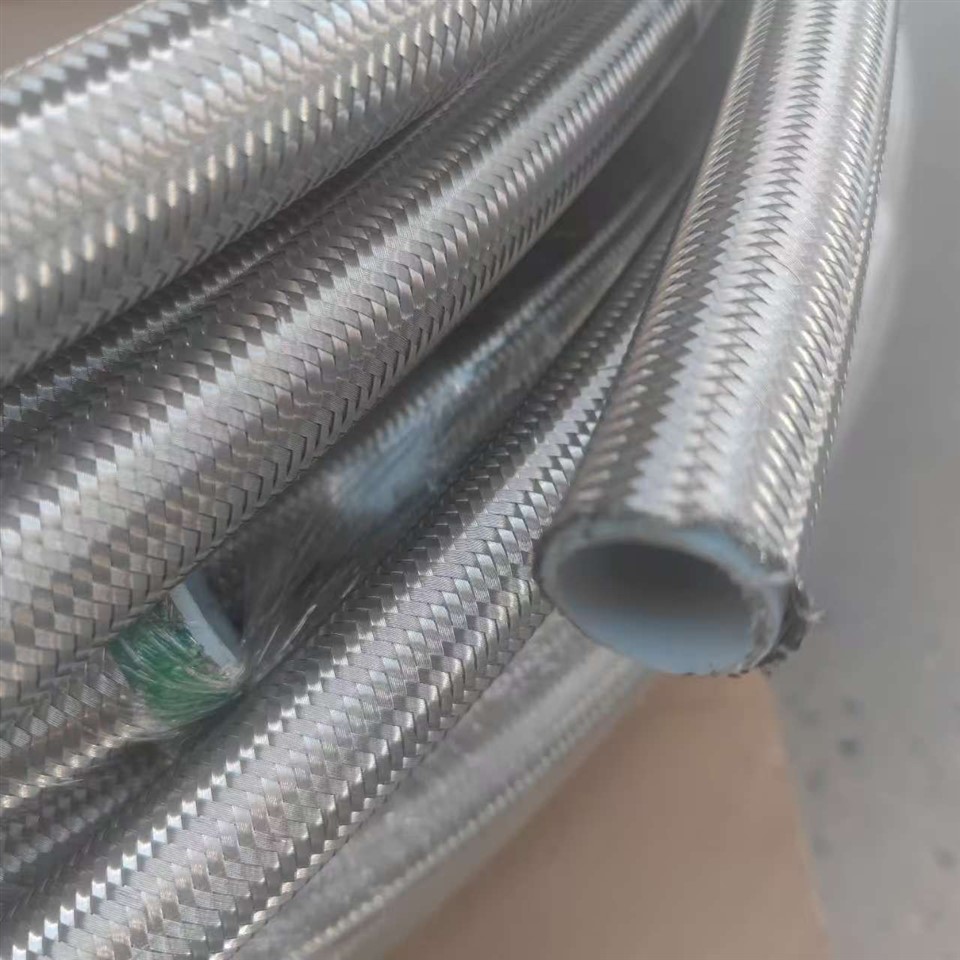
PTFE braided hoses have an additional layer of reinforcement, which makes them stronger and more durable. However, this also means that they require a little extra care when storing. The braided layer can be damaged by sharp objects or excessive bending. So, when coiling or hanging the hose, make sure to avoid any sharp edges or corners. You should also check the braided layer for any signs of fraying or damage during your regular inspections.
Conclusion
Storing teflon hoses properly is crucial to ensure their performance and longevity. By following the tips and guidelines outlined in this blog, you can keep your hoses in good condition and avoid any unnecessary damage. Remember, proper storage not only saves you money in the long run but also helps to maintain the safety and efficiency of your operations.
If you're in the market for high-quality PTFE Hose, look no further. As a trusted supplier, we offer a wide range of teflon hoses to meet your specific needs. Whether you're in the chemical, pharmaceutical, or food and beverage industry, we've got you covered. Contact us today to discuss your requirements and start a procurement negotiation. We're here to help you find the perfect solution for your business.
References
- "Teflon Hose Storage Guidelines," Industry Standards Handbook
- "Best Practices for Storing Chemical-Resistant Hoses," Chemical Engineering Magazine