

SAE 100 R14 hoses are widely recognized in the hydraulic industry for their high-performance capabilities and durability. As a trusted SAE 100 R14 hose supplier, I understand the critical importance of compatibility between these hoses and various fluids. Ensuring proper compatibility is not only essential for the optimal performance of the hydraulic system but also for its long - term reliability and safety. In this blog, I will delve into the compatibility tests for SAE 100 R14 hoses and fluids.
Understanding SAE 100 R14 Hoses
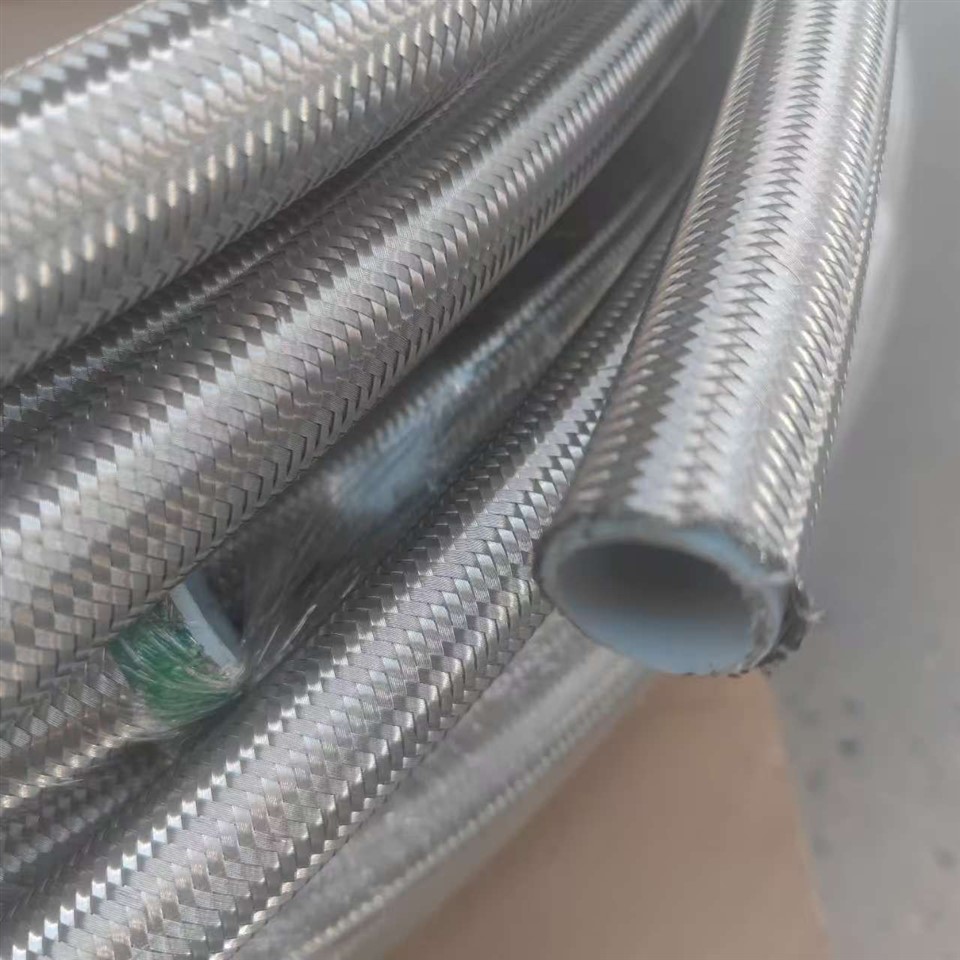
SAE 100 R14 hoses are designed for high - pressure hydraulic applications. They typically consist of an inner tube, reinforcement layers, and an outer cover. The inner tube is the part that comes into direct contact with the fluid, and its material composition plays a crucial role in determining the hose's compatibility with different fluids. These hoses are known for their resistance to abrasion, ozone, and weathering, making them suitable for a wide range of industrial environments.
Types of Fluids and Compatibility Considerations
There are several types of fluids commonly used in hydraulic systems, each with its own set of characteristics that can affect hose compatibility.
Mineral Oils
Mineral oils are the most widely used hydraulic fluids. They are known for their good lubricating properties and relatively low cost. SAE 100 R14 hoses are generally well - compatible with mineral oils. However, it is still necessary to test the hoses to ensure that the inner tube material does not swell, harden, or degrade over time when in contact with the specific mineral oil formulation. Compatibility tests may involve immersing a sample of the hose inner tube in the mineral oil for a specified period at a given temperature and pressure. After the immersion, the sample is examined for changes in dimensions, hardness, and tensile strength.
Synthetic Hydraulic Fluids
Synthetic hydraulic fluids, such as phosphate esters and polyalphaolefins, offer superior performance in terms of fire resistance, high - temperature stability, and oxidation resistance. However, they can be more aggressive towards hose materials compared to mineral oils. When testing SAE 100 R14 hoses for compatibility with synthetic fluids, it is crucial to consider the chemical composition of the fluid and the hose inner tube. For example, some synthetic fluids may react with certain polymers used in the inner tube, leading to chemical degradation. Specialized immersion tests are conducted, often at elevated temperatures and pressures, to simulate real - world operating conditions.
Water - Glycol Fluids
Water - glycol fluids are used in applications where fire safety is a concern. They have a high water content, which can pose challenges for hose compatibility. The water in the fluid can cause corrosion of the hose reinforcement layers if not properly protected. Additionally, the glycol component may affect the inner tube material. Compatibility tests for water - glycol fluids focus on the resistance of the hose to hydrolysis (the breakdown of the material due to water) and the ability of the reinforcement to withstand corrosion.

Compatibility Testing Procedures
Visual Inspection
Before and after the compatibility tests, a thorough visual inspection of the hose samples is conducted. This includes checking for any signs of cracking, blistering, swelling, or discoloration on the inner tube and outer cover. Visual inspection can provide initial clues about the compatibility of the hose with the fluid.
Dimensional Changes
Measuring the dimensional changes of the hose sample is an important part of the compatibility testing. Any significant increase or decrease in the inner diameter, outer diameter, or wall thickness of the hose can indicate a problem. These dimensional changes can affect the flow rate and pressure - handling capabilities of the hose.
Hardness Testing
Hardness testing is used to determine if the hose material has undergone any changes in hardness due to contact with the fluid. A hardness tester, such as a Shore durometer, is used to measure the hardness of the inner tube and outer cover before and after the immersion test. An increase in hardness may indicate that the material has become brittle, while a decrease in hardness may suggest swelling or softening.
Tensile Strength Testing
Tensile strength testing measures the maximum amount of tensile stress that the hose can withstand before breaking. After the compatibility test, a sample of the hose is subjected to a tensile test. A decrease in tensile strength may indicate that the fluid has weakened the hose material, which can lead to premature failure in service.
Chemical Analysis
In some cases, chemical analysis may be performed to identify any chemical reactions between the hose material and the fluid. This can involve techniques such as Fourier - transform infrared spectroscopy (FTIR) to detect changes in the chemical bonds of the material. Chemical analysis can provide valuable insights into the degradation mechanisms and help in selecting the most suitable hose materials for specific fluids.
Importance of Compatibility Testing for SAE 100 R14 Hoses
Proper compatibility testing is essential for several reasons. Firstly, it ensures the safety of the hydraulic system. A hose that is not compatible with the fluid can fail prematurely, leading to fluid leaks, which can pose a fire hazard in some applications or cause environmental contamination. Secondly, compatibility testing helps to optimize the performance of the hydraulic system. A well - matched hose and fluid combination will result in consistent flow rates, pressure - handling capabilities, and overall system efficiency. Finally, it can extend the service life of the hoses, reducing maintenance costs and downtime.
Other Related Hose Products
In addition to SAE 100 R14 hoses, we also offer a range of high - quality hoses such as PTFE Hose, PTFE Flexible Hose, and PTFE Braided Hose. These PTFE - based hoses offer excellent chemical resistance and high - temperature performance, making them suitable for a variety of demanding applications.
Conclusion
As a SAE 100 R14 hose supplier, I am committed to providing hoses that are fully compatible with the fluids used in our customers' hydraulic systems. Through rigorous compatibility testing, we ensure that our hoses meet the highest standards of quality and performance. If you are in the market for SAE 100 R14 hoses or have questions about hose - fluid compatibility, I encourage you to reach out to us for a detailed discussion and to explore the best solutions for your specific needs. Our team of experts is always ready to assist you in making the right choices for your hydraulic applications.
References
- ASTM International. (20XX). Standard test methods for rubber property - evaluation of resistance to liquids.
- SAE International. (20XX). SAE J1405 - Hydraulic Hose Assemblies - Performance Requirements.
- Parker Hannifin Corporation. (20XX). Hydraulic Hose and Fitting Handbook.