

Hey there! I'm a supplier of PTFE Teflon hoses, and today I wanna chat about the cost of PTFE Teflon hoses compared to other hoses.
First off, let's talk a bit about what PTFE Teflon hoses are. PTFE, or polytetrafluoroethylene, is a synthetic fluoropolymer of tetrafluoroethylene. Teflon is actually a brand name for PTFE. These hoses are known for their excellent chemical resistance, high-temperature tolerance, and low friction. You can check out more about PTFE Teflon Hose on our website.
Now, when it comes to the cost, PTFE Teflon hoses are generally more expensive than many other types of hoses. Why is that? Well, there are a few reasons.
Manufacturing Process
The manufacturing process of PTFE Teflon hoses is quite complex. PTFE is a unique material that requires special techniques to be formed into hoses. It has a high melting point, and traditional molding methods don't work well with it. Instead, processes like extrusion are often used, which require specialized equipment and skilled operators. This complexity in manufacturing drives up the cost.
In contrast, some other hoses, like rubber hoses, are easier to manufacture. Rubber can be molded using simpler methods, and the equipment required is less expensive. This results in a lower production cost for rubber hoses, making them more affordable in the market.
Material Properties
PTFE Teflon has some amazing properties that other materials just can't match. It's highly resistant to a wide range of chemicals, including acids, bases, and solvents. This means that PTFE Teflon hoses can be used in harsh chemical environments where other hoses would quickly deteriorate. For example, in the chemical processing industry, where corrosive substances are handled on a daily basis, PTFE Teflon hoses are often the go-to choice.

But these superior chemical resistance properties come at a price. The raw material for PTFE is more expensive than the materials used in many other hoses. Additionally, the research and development that goes into perfecting the properties of PTFE Teflon also adds to the cost.
On the other hand, hoses made from materials like PVC (polyvinyl chloride) are much less expensive. PVC is a common plastic material that is widely available and relatively cheap. However, PVC hoses have limited chemical resistance and are not suitable for use in highly corrosive environments.
Temperature Resistance
PTFE Teflon hoses can withstand extremely high and low temperatures. They can operate in temperatures ranging from -200°C to +260°C (-328°F to +500°F) without losing their integrity. This makes them ideal for applications in industries such as aerospace, where hoses need to function in extreme temperature conditions.
Other hoses, like silicone hoses, have a more limited temperature range. Silicone hoses can typically handle temperatures from -60°C to +230°C (-76°F to +446°F). While this is still a wide range, it's not as extreme as that of PTFE Teflon hoses. The ability of PTFE Teflon hoses to handle such a broad temperature spectrum is another factor that contributes to their higher cost.
Longevity and Durability
One of the key advantages of PTFE Teflon hoses is their longevity. They have a long service life, even in demanding applications. Their low friction surface reduces wear and tear, and their resistance to chemicals and temperature changes means they don't degrade easily. This means that although the initial cost of a PTFE Teflon hose is higher, in the long run, it can be more cost - effective.
Let's say you have a process that requires hoses to be replaced every few months because they are exposed to harsh chemicals. If you use a cheaper hose, you'll have to keep buying new ones, which adds up over time. On the other hand, a PTFE Teflon hose might last for years in the same environment, reducing the overall cost of ownership.
Application - Specific Considerations
When choosing a hose, the application is a crucial factor. For some applications, the cost of a PTFE Teflon hose might be justified, while for others, a cheaper alternative is more suitable.
For example, in a home garden hose application, a rubber or PVC hose would be a more practical and cost - effective choice. You don't need the extreme chemical resistance or high - temperature tolerance of a PTFE Teflon hose for watering your plants. These cheaper hoses can do the job just fine at a fraction of the cost.
However, in industries such as pharmaceuticals, food and beverage, and semiconductor manufacturing, the quality and performance of PTFE Teflon hoses are essential. In the pharmaceutical industry, for instance, strict regulations require hoses to be made of materials that won't contaminate the products. PTFE Teflon's inertness makes it an ideal choice, and the cost is often considered a necessary investment.
Comparing with Other Similar Hoses
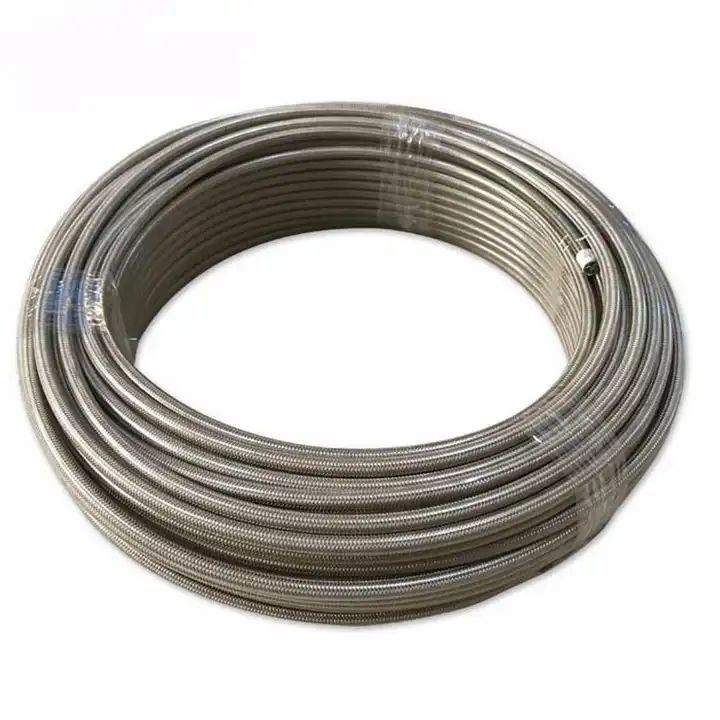
Let's take a look at PTFE Braided Hose. Braided PTFE hoses are reinforced with a braided outer layer, which can be made of materials like stainless steel or synthetic fibers. This reinforcement adds strength and flexibility to the hose.
The cost of PTFE braided hoses is also higher than non - braided hoses. The additional step of braiding and the cost of the braiding material contribute to this increase. But the braided hoses offer better pressure resistance and durability, which can be crucial in high - pressure applications.
There are also other types of hoses in the market, such as stainless steel hoses. Stainless steel hoses are known for their strength and durability, but they are not as flexible as PTFE Teflon hoses. They also have limited chemical resistance compared to PTFE Teflon. The cost of stainless steel hoses can vary depending on the grade of stainless steel used, but in general, they are more expensive than basic rubber or PVC hoses but may be comparable or less expensive than PTFE Teflon hoses in some cases.
Is the Higher Cost Worth It?
So, is the higher cost of PTFE Teflon hoses worth it? Well, it depends on your specific needs. If you're in an industry where the performance and reliability of hoses are critical, and the cost of downtime or product contamination is high, then investing in PTFE Teflon hoses is a smart move.
For example, in a high - tech manufacturing plant, a single hose failure could lead to production delays, loss of product, and costly repairs. In such a scenario, the long - term benefits of using PTFE Teflon hoses, such as their durability and chemical resistance, far outweigh the initial cost.
On the other hand, if you have a less demanding application where the hose is used in a relatively mild environment and cost is a major concern, then a cheaper alternative might be more appropriate.
Conclusion
In conclusion, PTFE Teflon hoses are more expensive than many other types of hoses due to their complex manufacturing process, superior material properties, and excellent performance. But they offer unique advantages that make them the best choice for many critical applications.
If you're in the market for hoses and are considering PTFE Teflon hoses, we'd love to have a chat with you. We can help you determine if PTFE Teflon hoses are the right fit for your needs and provide you with a competitive quote. You can also check out our PTFE Braided Hose product range on our website. Don't hesitate to reach out if you have any questions or if you're ready to start the procurement process. We're here to assist you in finding the best hose solution for your business.
References
- "Handbook of Fluoropolymer Science and Technology" by John Scheirs and Terry M. Kemmer
- "Rubber Technology: Compounding, Testing, and Applications" by K. N. G. Pillai
- Industry reports on hose manufacturing and materials from various market research firms.