

Hey there! As a supplier of SAE100 R7 hoses, I often get asked about what sets these hoses apart from other SAE hoses. Well, in this blog, I'm gonna break it down for you in a way that's easy to understand.
First off, let's talk a bit about SAE hoses in general. The Society of Automotive Engineers (SAE) has set standards for hydraulic hoses, and these standards cover things like the hose's construction, performance, and safety. There are different types of SAE hoses, each designed for specific applications and operating conditions.
Construction
One of the main differences between SAE100 R7 hoses and other SAE hoses lies in their construction. SAE100 R7 hoses are thermoplastic hoses. This means they're made from thermoplastic materials, which offer some unique advantages.
Most traditional SAE hoses, like SAE100 R1 or SAE100 R2, are made with rubber covers and synthetic textile or steel wire reinforcements. The rubber cover provides good abrasion resistance and protection against environmental factors. But it also makes the hose heavier and less flexible compared to SAE100 R7 hoses.
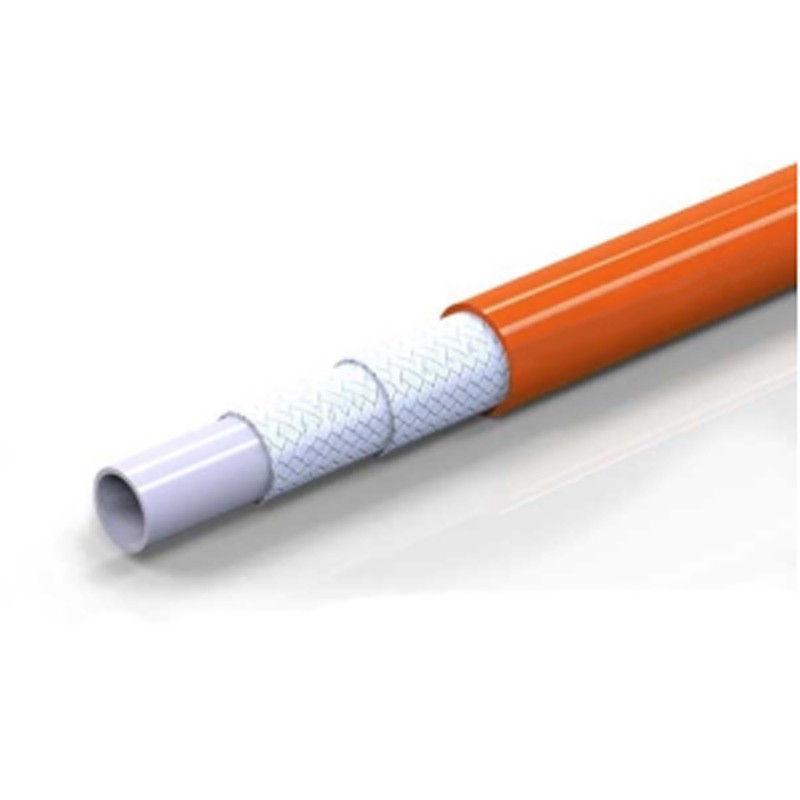
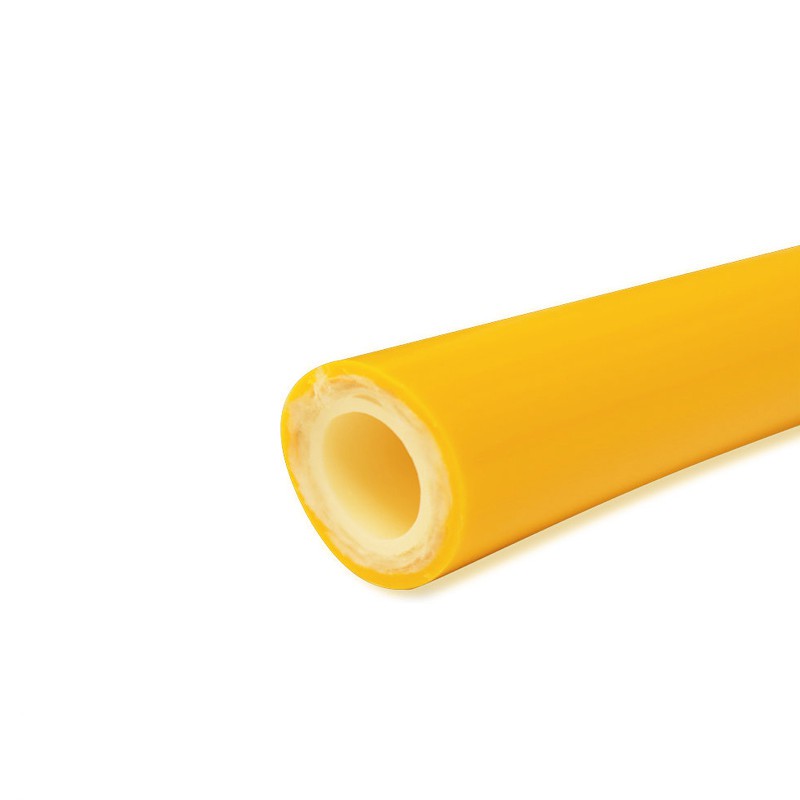
On the other hand, SAE100 R7 hoses have a thermoplastic cover and a single spiral of high - tensile steel wire reinforcement. The thermoplastic cover is lightweight, and it gives the hose excellent chemical resistance. It can withstand a wide range of hydraulic fluids, including petroleum - based oils, water - glycols, and phosphate esters. You can check out more about SAE 100 R7 Thermoplastic Hydraulic Hose on our website.
Flexibility
Flexibility is another area where SAE100 R7 hoses shine. Because of their thermoplastic construction, they're much more flexible than many other SAE hoses. This flexibility makes them easier to install in tight spaces. For example, in some complex hydraulic systems where there are a lot of bends and turns, a flexible hose like SAE100 R7 can be a real lifesaver. You won't have to struggle as much to route the hose around obstacles.
In contrast, the more rigid rubber - covered SAE hoses may require more elaborate installation procedures. You might need to use special fittings or make additional bends to get them to fit properly, which can add to the installation time and cost.
Pressure Ratings
Pressure ratings are crucial when it comes to hydraulic hoses. Different SAE hoses are designed to handle different levels of pressure. SAE100 R7 hoses typically have a lower pressure rating compared to some of the other high - pressure SAE hoses like SAE100 R13 or SAE100 R16.
The maximum working pressure of SAE100 R7 hoses usually ranges from around 1000 to 3000 psi, depending on the hose size. This makes them suitable for applications where the pressure requirements are not extremely high. For instance, they're commonly used in low - to medium - pressure hydraulic systems, such as those found in some agricultural equipment or light - duty industrial machinery.
If you need a hose for a high - pressure application, you'd probably want to look at other SAE hoses with higher pressure ratings. But for many everyday hydraulic tasks, the pressure rating of SAE100 R7 hoses is more than sufficient.
Conductivity
Some SAE hoses are designed to be conductive, which is important in applications where there's a risk of static electricity buildup. However, Non - conductive SAE 100 R7 Thermoplastic Hydraulic Hose is a non - conductive option. This can be a great advantage in certain environments.
In some industries, like food and beverage or pharmaceutical, non - conductive hoses are preferred to avoid any potential electrical interference or contamination. The non - conductive nature of SAE100 R7 hoses also makes them suitable for use in areas where there's a risk of electrical shock.
Marine Applications
SAE100 R7 hoses also have a special place in marine applications. SAE100 R7 HOSE - Marine is designed to withstand the harsh marine environment. The thermoplastic cover is resistant to saltwater corrosion, which is a major concern in marine settings.
In marine hydraulic systems, hoses are constantly exposed to saltwater, high humidity, and varying temperatures. The chemical resistance of the thermoplastic cover in SAE100 R7 hoses helps to prevent degradation and extends the hose's service life. Additionally, the flexibility of these hoses makes them easier to install on boats and other marine vessels, where space is often limited.
Cost
Cost is always a factor when choosing a hydraulic hose. Generally, SAE100 R7 hoses are more cost - effective compared to some of the higher - end SAE hoses. Their thermoplastic construction is less expensive to manufacture than the rubber - based construction of many other SAE hoses.
This cost - effectiveness doesn't mean they're of lower quality. They still meet the SAE standards and offer reliable performance for a wide range of applications. So, if you're on a budget but still need a good - quality hydraulic hose, SAE100 R7 hoses are a great option.
Conclusion
In conclusion, SAE100 R7 hoses have several distinct differences compared to other SAE hoses. Their thermoplastic construction gives them advantages in terms of flexibility, chemical resistance, and cost - effectiveness. While they may have lower pressure ratings compared to some high - pressure SAE hoses, they're well - suited for many low - to medium - pressure applications.
Whether you're working on an agricultural project, a light - duty industrial machine, or a marine vessel, SAE100 R7 hoses could be the right choice for you. If you're interested in learning more about our SAE100 R7 hoses or have any questions about which hose is best for your application, don't hesitate to reach out. We're here to help you make the right decision and ensure you get the best - performing hose for your needs. Let's start a conversation about your procurement requirements and find the perfect SAE100 R7 hose solution for you.
References
- Society of Automotive Engineers (SAE) standards documentation
- Industry publications on hydraulic hoses and their applications