

PTFE (Polytetrafluoroethylene), commonly known as Teflon, is a remarkable synthetic fluoropolymer that has found extensive use in various industries due to its outstanding chemical and physical properties. As a leading supplier of PTFE Teflon hoses, I often receive inquiries about the maximum temperature resistance of these hoses. In this blog post, I will delve into what PTFE Teflon hoses are, explore their maximum temperature resistance, and explain how this property influences their applications.
Understanding PTFE Teflon Hoses
PTFE Teflon hoses are made from PTFE, a high - performance plastic known for its non - stick surface, excellent chemical resistance, and low friction coefficient. These hoses are highly flexible, durable, and can withstand a wide range of environmental conditions. Our PTFE Hose products are designed to meet the demanding requirements of different industries, from chemical processing to food and beverage production.
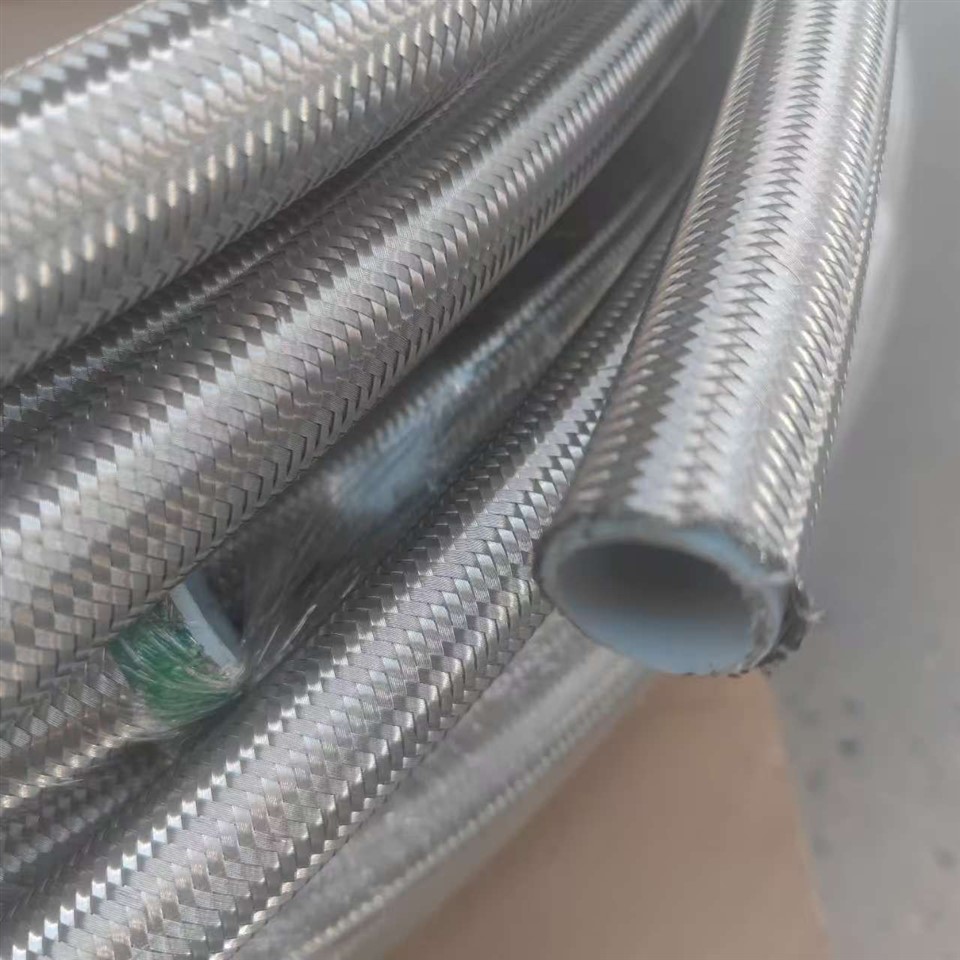
The construction of PTFE Teflon hoses typically involves a PTFE inner tube, which is the core that comes into contact with the fluid being transported. This inner tube is then reinforced with various materials such as stainless steel braids or aramid fibers to enhance its strength and pressure - bearing capacity. The outer layer, if present, provides additional protection against abrasion, chemicals, and environmental factors.
Maximum Temperature Resistance of PTFE Teflon Hoses
The maximum temperature resistance of PTFE Teflon hoses is one of their most significant features. PTFE itself has an extremely high melting point of around 327°C (621°F). However, when considering the practical use of PTFE Teflon hoses, the maximum continuous service temperature is usually rated at about 260°C (500°F).
This high - temperature resistance is due to the unique molecular structure of PTFE. The carbon - fluorine bonds in PTFE are very strong, which gives the material excellent thermal stability. Even at high temperatures, the PTFE molecules maintain their integrity, preventing the hose from melting or degrading rapidly.
It's important to note that the maximum temperature resistance can be affected by several factors. For example, the type of reinforcement used in the hose can influence its performance at high temperatures. Stainless steel braids, which are commonly used for reinforcement, can withstand high temperatures well, but other materials may have lower temperature limits. Additionally, the pressure inside the hose can also play a role. Higher pressures can reduce the effective maximum temperature at which the hose can operate safely.

Applications Based on Temperature Resistance
The high - temperature resistance of PTFE Teflon hoses makes them suitable for a wide range of applications in industries where extreme temperatures are involved.
Chemical Processing Industry
In chemical plants, many processes involve the handling of corrosive chemicals at high temperatures. Our PTFE Hose can withstand the harsh chemical environment and high - temperature conditions. For example, in the production of certain polymers, the reaction vessels may operate at temperatures close to the maximum service temperature of PTFE hoses. The hoses are used to transfer hot chemicals between different parts of the production line without the risk of chemical attack or thermal degradation.
Food and Beverage Industry
In the food and beverage industry, PTFE Teflon hoses are used for processes such as pasteurization and sterilization. These processes often require the use of hot water or steam at temperatures up to 130 - 150°C (266 - 302°F). The non - stick surface of PTFE also makes it easy to clean, ensuring that there is no residue left in the hose, which is crucial for maintaining food safety standards.
Automotive and Aerospace Industries
In the automotive and aerospace sectors, PTFE Teflon hoses are used in high - performance engines and hydraulic systems. The engines can generate extremely high temperatures, and the hoses need to be able to withstand these conditions while maintaining their flexibility and pressure - bearing capacity. Our SAE 100 R14 Teflonning Hose is specifically designed to meet the requirements of these industries, providing reliable performance in high - temperature and high - pressure environments.
Testing and Quality Assurance
As a PTFE Teflon hose supplier, we understand the importance of ensuring that our products meet the highest quality standards. We conduct rigorous testing on our hoses to determine their maximum temperature resistance and other performance parameters.
One of the common tests is the thermal aging test. In this test, samples of the hoses are exposed to high temperatures for an extended period. The physical and mechanical properties of the hoses, such as tensile strength, elongation, and hardness, are measured before and after the test. If the changes in these properties are within an acceptable range, it indicates that the hose can withstand the high - temperature environment.
We also perform pressure - temperature cycling tests. These tests simulate the real - world operating conditions of the hoses, where they are subjected to repeated cycles of high pressure and high temperature. By monitoring the performance of the hoses during these cycles, we can ensure that they are reliable and safe for use in various applications.
Conclusion and Call to Action
The maximum temperature resistance of PTFE Teflon hoses is a key factor that makes them a popular choice in many industries. With a maximum continuous service temperature of around 260°C (500°F), these hoses can handle high - temperature applications with ease. Whether you are in the chemical processing, food and beverage, automotive, or aerospace industry, our PTFE Teflon hoses can provide the performance and reliability you need.
If you are interested in learning more about our PTFE Teflon hoses or would like to discuss your specific requirements, please feel free to reach out to us. We are more than happy to assist you in finding the right hose for your application. Our team of experts can provide you with detailed product information, technical support, and competitive pricing. Let's work together to meet your industrial fluid transfer needs.
References
- Billmeyer, F. W. (1984). Textbook of Polymer Science. Wiley - Interscience.
- Strong, A. B. (2008). Plastics: Materials and Processing. Pearson Prentice Hall.
- ASTM International. (Various standards related to PTFE materials and hoses).