

Hey there! As a supplier of SAE 100 R14 hoses, I often get asked if these hoses can be used in chemical - handling applications. So, I thought I'd write this blog to share some insights on this topic.
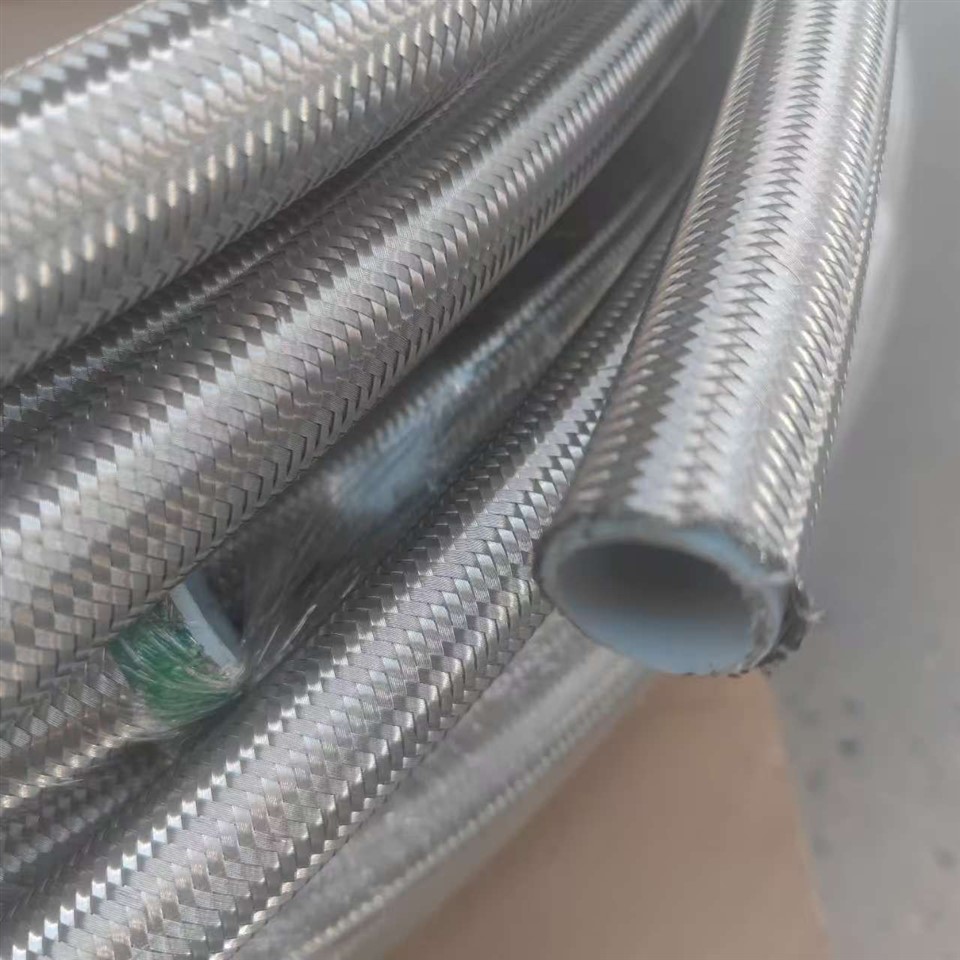
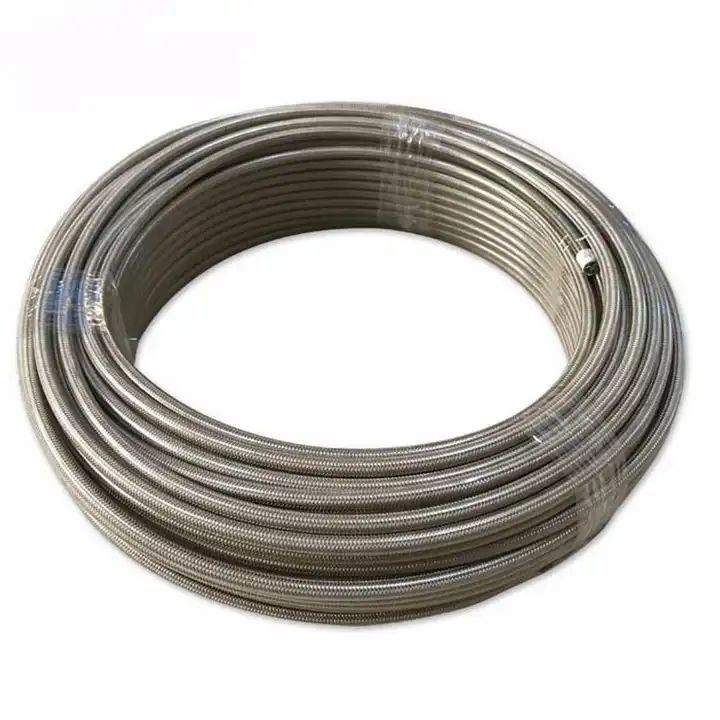
First off, let's talk a bit about what SAE 100 R14 hoses are. These hoses are designed mainly for high - pressure hydraulic applications. They feature a synthetic rubber tube and multiple layers of high - tensile steel wire braids, which give them excellent strength and durability under high - pressure conditions.
When it comes to chemical - handling applications, things get a bit more complicated. Chemicals can vary widely in their properties, such as acidity, alkalinity, reactivity, and solubility. Some chemicals are relatively benign and won't cause much harm to the hose material, while others can be extremely corrosive and break down the hose components over time.
The synthetic rubber tube in SAE 100 R14 hoses is usually made to withstand hydraulic fluids, oil, and water - glycol mixtures typically found in hydraulic systems. But when it comes to harsh chemicals, the rubber may not hold up well. For example, strong acids like sulfuric acid or hydrochloric acid can react with the rubber, causing it to swell, crack, or lose its structural integrity. Similarly, some organic solvents can dissolve or soften the rubber, leading to leaks and potential safety hazards.
However, it's not all doom and gloom. There are certain situations where SAE 100 R14 hoses can be used in chemical - handling applications. If the chemicals involved are mild and non - corrosive, such as some aqueous solutions with a neutral pH, the hoses might work just fine. Also, if the exposure time to the chemicals is short and the concentration is low, the hoses may be able to tolerate it without significant damage.
But for more demanding chemical - handling scenarios, you might want to consider alternative options. One great alternative is the PTFE Hose. PTFE, or polytetrafluoroethylene, is a highly chemical - resistant material. It can withstand a wide range of chemicals, including strong acids, bases, and organic solvents. PTFE hoses are also known for their low friction coefficient, which means less pressure drop and better flow characteristics.
Another option is the PTFE Braided Hose. The braided design adds extra strength and durability to the PTFE hose, making it suitable for high - pressure chemical - handling applications. These hoses are often used in industries like chemical processing, pharmaceuticals, and food and beverage, where chemical resistance and hygiene are of utmost importance.
If you're looking for a reliable source of PTFE hoses, you can check out PTFE Hose. They offer a wide range of PTFE hoses with different specifications to meet your specific needs.
Now, let's get back to SAE 100 R14 hoses. If you're still considering using them in chemical - handling applications, there are a few things you need to do. First, you should always consult the chemical compatibility chart provided by the hose manufacturer. This chart will tell you which chemicals the hose can safely handle and under what conditions. Second, you may want to conduct some small - scale tests to see how the hose performs with the specific chemicals you'll be using. This can help you identify any potential issues before you start using the hoses in a full - scale operation.
In addition, proper maintenance is crucial. Regularly inspect the hoses for signs of damage, such as cracks, swelling, or leaks. Replace any damaged hoses immediately to prevent accidents. Also, make sure to clean the hoses properly after each use to remove any residual chemicals that could cause long - term damage.
So, to answer the question "Can SAE 100 R14 Hose be used in chemical - handling applications?", the answer is it depends. In some cases, they can work, but in others, you'll be better off using more chemical - resistant alternatives like PTFE hoses.
If you're in the market for hoses for your chemical - handling applications, whether it's SAE 100 R14 hoses or PTFE hoses, I'd love to help. We have a wide range of products to choose from, and our team of experts can provide you with the best advice based on your specific needs. Don't hesitate to reach out and start a conversation about your hose requirements. We're here to make sure you get the right hoses for your job.
References:
- Industry standards on hydraulic hoses and chemical compatibility
- Manufacturer's documentation on SAE 100 R14 hoses and PTFE hoses