

Hey there! As a supplier of SAE100 R7 hoses, I often get asked how these hoses stack up against PVC hoses in terms of performance. So, I thought I'd write this blog to break it down for you.
Pressure Resistance
Let's start with pressure resistance. SAE100 R7 hoses are designed for hydraulic applications, which means they need to handle some serious pressure. These hoses are built to meet the SAE100 R7 standard, which sets specific requirements for pressure ratings. They can typically handle higher working pressures compared to PVC hoses.
PVC hoses, on the other hand, are more commonly used for low - to medium - pressure applications. They're great for things like watering your garden or light - duty fluid transfer, but when it comes to high - pressure hydraulic systems, they just can't compete. For example, in a hydraulic system where you need to operate heavy machinery, an SAE100 R7 hose can handle the stress without bursting or leaking. You can check out more about the pressure - handling capabilities of SAE100 R7 hoses on our SAE 100 R7 Hydraulic Hose page.
Temperature Tolerance
Temperature is another important factor when it comes to hose performance. SAE100 R7 hoses are made from thermoplastic materials that are engineered to withstand a wide range of temperatures. They can work well in both hot and cold environments. Whether it's a scorching summer day on a construction site or a freezing winter morning in a warehouse, these hoses can maintain their integrity.
PVC hoses, however, tend to be more sensitive to temperature changes. In cold weather, they can become brittle and crack, while in hot weather, they may soften and lose their shape. This can lead to leaks and reduced performance. If you're working in an environment with extreme temperatures, an SAE100 R7 hose is definitely the way to go. You can learn more about how these hoses handle temperature on our SAE 100 R7 Thermoplastic Hydraulic Hose page.
Chemical Resistance
Chemical resistance is crucial, especially if you're dealing with fluids that can be corrosive or reactive. SAE100 R7 hoses are formulated to resist a variety of chemicals, including hydraulic fluids, oils, and some solvents. This makes them suitable for use in many industrial applications where exposure to chemicals is common.

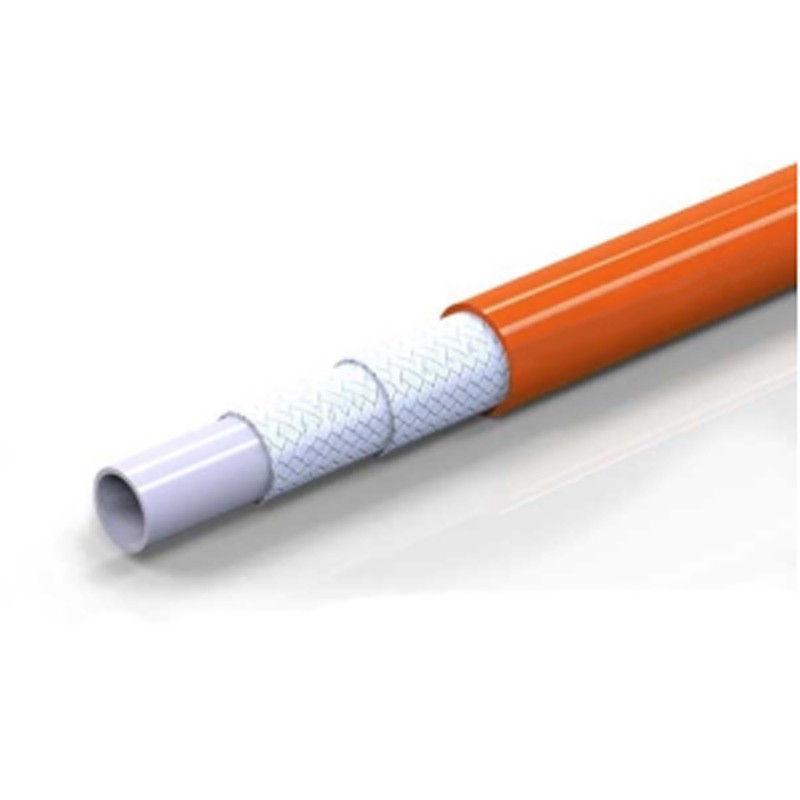
PVC hoses have limited chemical resistance. They may be damaged by certain chemicals, which can cause them to degrade over time. For example, if you're using a hose to transfer a chemical that's not compatible with PVC, the hose may start to break down, leading to leaks and potential safety hazards. If you need a hose that can handle chemical exposure, an SAE100 R7 hose is a better choice.
Flexibility and Bend Radius
Flexibility is important for ease of installation and use. SAE100 R7 hoses are quite flexible, which makes them easy to route around obstacles and install in tight spaces. They also have a relatively small bend radius, which means they can be bent sharply without kinking or restricting the flow of fluid.
PVC hoses are also flexible, but they may not be as durable when it comes to repeated bending. Over time, the bending can cause the PVC to crack or split, especially if the hose is bent at a sharp angle. If you need a hose that can be bent and maneuvered without losing its performance, an SAE100 R7 hose is a great option. You can find some examples of how these hoses can be used in flexible installations on our SAE100 R7 HOSE - Marine page.
Abrasion Resistance
In many applications, hoses are exposed to rough surfaces and abrasive materials. SAE100 R7 hoses have a good level of abrasion resistance. Their outer layers are designed to withstand rubbing against other objects without wearing down quickly. This is important in industrial settings where hoses may come into contact with machinery, tools, or rough terrain.
PVC hoses are more prone to abrasion. The outer surface of a PVC hose can be easily scratched or worn away, which can compromise the integrity of the hose. If your hose is going to be in an environment where it's likely to be rubbed or scraped, an SAE100 R7 hose will last longer and perform better.
Cost - Effectiveness
Now, let's talk about cost. PVC hoses are generally cheaper upfront. They're a budget - friendly option for simple applications where high - performance isn't a requirement. However, when you consider the long - term costs, SAE100 R7 hoses can actually be more cost - effective.
Since they have better performance in terms of pressure resistance, temperature tolerance, chemical resistance, flexibility, and abrasion resistance, they're less likely to fail or need to be replaced frequently. This means you'll save money on replacements and downtime in the long run. If you're looking for a hose that will give you reliable performance over time, investing in an SAE100 R7 hose is a smart choice.
Conclusion
In conclusion, while PVC hoses are great for some light - duty applications, SAE100 R7 hoses offer superior performance in many key areas. Whether it's handling high pressures, extreme temperatures, chemical exposure, or rough environments, these hoses are built to last.
If you're in the market for a high - performance hose, I encourage you to consider SAE100 R7 hoses. We're a supplier of these hoses, and we'd be happy to discuss your specific needs and help you find the right hose for your application. Don't hesitate to reach out for more information or to start a purchase negotiation.
References
- Industry standards for SAE100 R7 hoses
- Manufacturer's specifications for SAE100 R7 and PVC hoses
- Case studies on the performance of hoses in different applications