

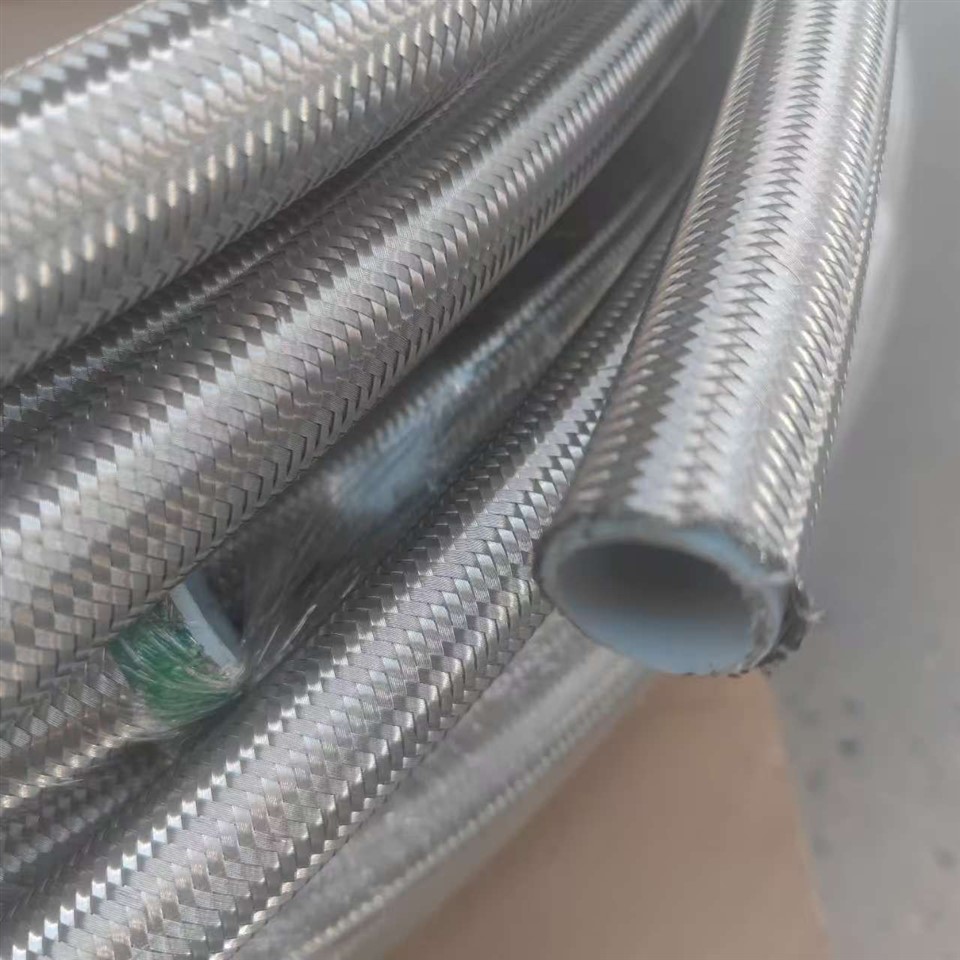
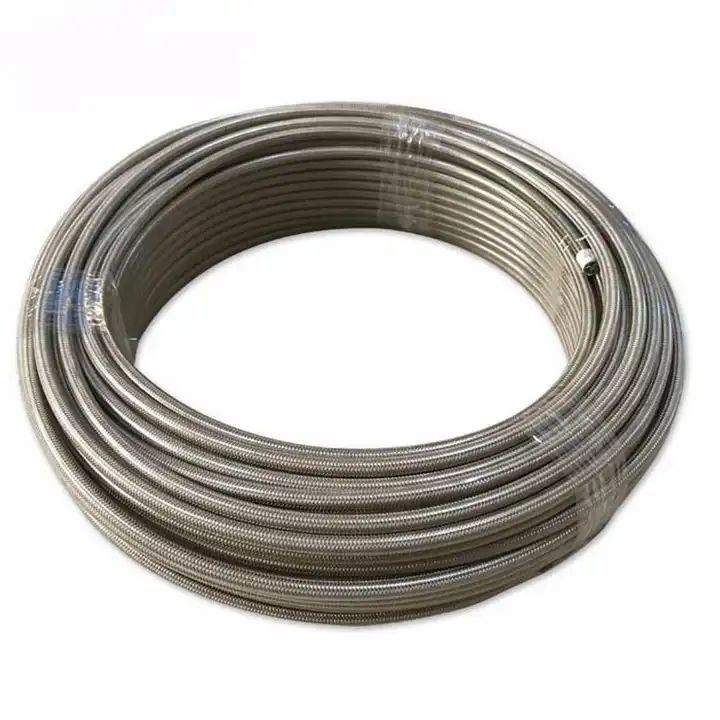
Hey there! As a supplier of teflon hoses, I've seen my fair share of wear and tear on these bad boys. Teflon hoses, especially PTFE Braided Hose and PTFE Hose, are super useful in a bunch of industries, from automotive to chemical processing. But like any piece of equipment, they need a good inspection now and then to make sure they're still in tip-top shape.
So, let's dive into how you can inspect a used teflon hose for wear and tear. First off, you gotta know what you're looking for. There are a few key areas that tend to show signs of damage.
Visual Inspection
The easiest way to start is with a visual inspection. Just take a good look at the hose from end to end. Check for any obvious signs of damage like cuts, cracks, or abrasions. These can be caused by a variety of things, like rubbing against other parts of the machinery, sharp objects, or even just normal wear and tear over time.
If you see any cuts or cracks, it's a big red flag. Even small ones can lead to leaks down the road, which can be a major headache, especially if you're dealing with hazardous materials. And if the abrasions are deep enough, they can weaken the structure of the hose and make it more likely to fail.
Another thing to look for is discoloration. Teflon hoses are usually a nice, clean white color. If you notice any yellowing, browning, or other changes in color, it could be a sign of chemical damage or overheating. Chemicals can break down the teflon material, and overheating can cause it to degrade as well.
Check the Fittings
The fittings on the ends of the hose are just as important as the hose itself. Make sure they're securely attached and there are no signs of corrosion or damage. Corrosion can weaken the fittings and cause them to leak, and damage can prevent them from making a proper seal.
Look for any signs of rust, pitting, or other corrosion on the metal parts of the fittings. If you see any, it might be time to replace the fittings. Also, check the threads on the fittings to make sure they're in good condition. Stripped or damaged threads can make it difficult to attach the hose properly.
Flexibility Test
Teflon hoses should be flexible, but not too flexible. If the hose feels too stiff, it could be a sign of damage or degradation. On the other hand, if it's too floppy or has lost its shape, that's also a bad sign.
To do a flexibility test, gently bend the hose back and forth a few times. It should bend easily without any cracking or popping sounds. If you hear any strange noises or if the hose feels brittle, it might be time to replace it.
Pressure Test
If you really want to be thorough, you can do a pressure test. This will help you determine if the hose can still handle the pressure it's supposed to. You'll need a pressure testing kit for this, which you can usually rent or buy from a hardware store.
First, make sure the hose is properly connected to the testing equipment. Then, slowly increase the pressure to the recommended level for the hose. Keep an eye on the pressure gauge and watch for any signs of leaks or bulges in the hose.
If you see any leaks, it's obvious that the hose needs to be replaced. And if you notice any bulges, that means the hose is under too much stress and could fail at any time.
Interior Inspection
Sometimes, the damage on a teflon hose isn't visible from the outside. That's why it's a good idea to do an interior inspection as well. You can use a borescope or a small camera to look inside the hose.
Check for any signs of debris, blockages, or damage on the inside of the hose. Debris can build up over time and cause clogs, which can affect the flow of the fluid or gas through the hose. And if there's any damage on the inside, it can also lead to leaks or other problems.
Documentation and Record-Keeping
Once you've completed the inspection, it's important to document your findings. Keep a record of the date of the inspection, the condition of the hose, and any repairs or replacements that were made. This will help you keep track of the maintenance history of the hose and make it easier to plan for future inspections and replacements.
When to Replace
If you find any significant damage during the inspection, it's usually best to replace the hose right away. Don't try to patch it up or ignore the problem, because it will only get worse over time. And when it comes to teflon hoses, it's better to be safe than sorry, especially if you're dealing with important applications.
But even if you don't find any major damage, it's still a good idea to replace the hose periodically. Teflon hoses have a limited lifespan, and even if they look okay on the outside, the internal structure could be starting to degrade.
Conclusion
Inspecting a used teflon hose for wear and tear is an important part of maintaining your equipment. By following these steps, you can catch any problems early and prevent costly leaks and failures. And if you're in the market for new teflon hoses, we've got a great selection of PTFE Braided Hose and PTFE Hose that are built to last.
If you have any questions or are interested in purchasing teflon hoses, feel free to reach out and start a conversation. We're here to help you find the right solution for your needs.
References
- "Teflon Hose Handbook" - A comprehensive guide on teflon hoses and their maintenance.
- Industry standards and guidelines for teflon hose inspection and replacement.