

As a seasoned supplier of teflon hoses, I understand the critical importance of ensuring the tightness of teflon hose connections. A secure connection not only guarantees the efficient and safe operation of the fluid transfer system but also prevents potential leaks that could lead to costly downtime, environmental hazards, and safety risks. In this blog post, I will share some practical tips and best practices on how to ensure the tightness of a teflon hose connection.
Understanding Teflon Hoses
Before delving into the details of ensuring tight connections, it's essential to have a basic understanding of teflon hoses. Teflon, also known as polytetrafluoroethylene (PTFE), is a synthetic fluoropolymer with exceptional chemical resistance, high temperature tolerance, and low friction coefficient. These properties make teflon hoses ideal for a wide range of applications, including chemical processing, food and beverage, pharmaceutical, and automotive industries.
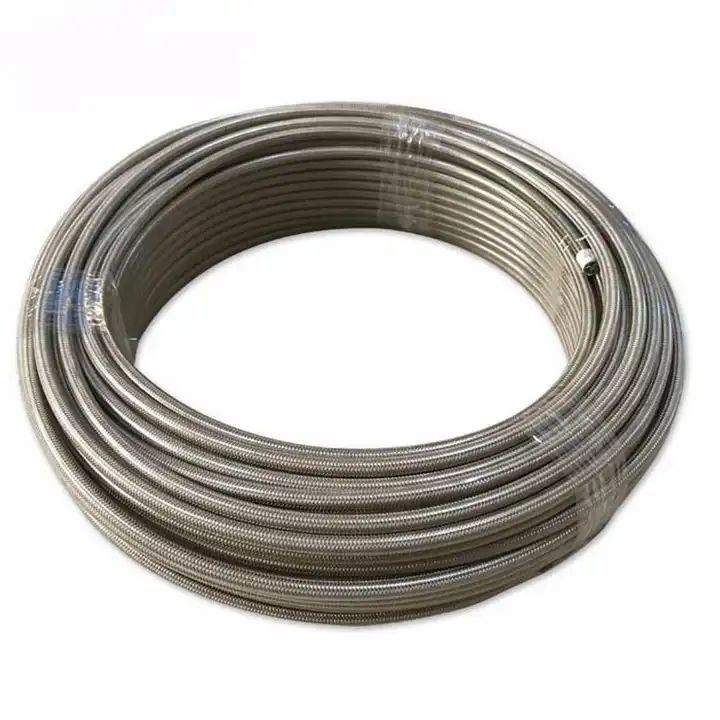
There are different types of teflon hoses available in the market, each designed to meet specific application requirements. For instance, PTFE Flexible Hose is highly flexible and can be easily bent and routed in tight spaces, making it suitable for applications where flexibility is crucial. On the other hand, PTFE Braided Hose is reinforced with a braided outer layer, which provides additional strength and pressure resistance, making it suitable for high-pressure applications. Another type is the SAE 100 R14 Hose, which is specifically designed for hydraulic applications and meets the standards set by the Society of Automotive Engineers (SAE).
Factors Affecting Hose Connection Tightness
Several factors can affect the tightness of a teflon hose connection. Understanding these factors is crucial for ensuring a secure and leak-free connection.
1. Hose and Fitting Compatibility
One of the most important factors is the compatibility between the teflon hose and the fittings. The hose and fittings must be designed to work together to ensure a proper seal. Using incompatible hoses and fittings can lead to leaks, as the connection may not be able to withstand the pressure and temperature of the fluid being transferred. When selecting hoses and fittings, it's important to consider the material, size, and pressure rating of both components.
2. Surface Finish
The surface finish of the hose and fittings also plays a significant role in the tightness of the connection. A smooth and clean surface is essential for creating a good seal. Any roughness, scratches, or debris on the surface can prevent the hose and fittings from making a proper contact, leading to leaks. Before making the connection, it's important to clean the surfaces of the hose and fittings thoroughly and ensure that they are free from any contaminants.
3. Installation Torque
Proper installation torque is crucial for ensuring the tightness of a teflon hose connection. Over-tightening the fittings can damage the hose or the fittings, while under-tightening can result in a loose connection and leaks. It's important to follow the manufacturer's recommended torque specifications when installing the fittings. Using a torque wrench can help ensure that the fittings are tightened to the correct torque.
4. Temperature and Pressure
The temperature and pressure of the fluid being transferred can also affect the tightness of the connection. High temperatures can cause the hose and fittings to expand, while high pressures can put additional stress on the connection. It's important to select hoses and fittings that are rated for the specific temperature and pressure conditions of the application. Additionally, it's important to monitor the temperature and pressure of the system regularly and make any necessary adjustments to ensure the tightness of the connection.
Best Practices for Ensuring Tightness
Now that we have discussed the factors that affect the tightness of a teflon hose connection, let's look at some best practices for ensuring a secure and leak-free connection.

1. Select the Right Hose and Fittings
As mentioned earlier, selecting the right hose and fittings is crucial for ensuring the tightness of the connection. When choosing hoses and fittings, it's important to consider the application requirements, including the type of fluid being transferred, the temperature and pressure of the system, and the flexibility and size requirements. It's also important to choose high-quality hoses and fittings from a reputable supplier to ensure their reliability and performance.
2. Prepare the Surfaces
Before making the connection, it's important to prepare the surfaces of the hose and fittings properly. This includes cleaning the surfaces thoroughly to remove any dirt, debris, or contaminants. You can use a clean cloth and a suitable cleaning agent to clean the surfaces. After cleaning, make sure to dry the surfaces completely to prevent any moisture from affecting the seal.
3. Use Sealants
In some cases, using a sealant can help improve the tightness of a teflon hose connection. Sealants can fill in any small gaps or imperfections in the connection, creating a more secure seal. However, it's important to choose a sealant that is compatible with the teflon hose and the fluid being transferred. Some sealants may react with the teflon or the fluid, causing damage to the hose or the fittings. Before using a sealant, it's important to consult the manufacturer's recommendations.
4. Follow Installation Instructions
Following the manufacturer's installation instructions is essential for ensuring the tightness of a teflon hose connection. The instructions will provide detailed information on how to install the fittings correctly, including the recommended torque specifications. Make sure to read and understand the instructions carefully before starting the installation process. If you have any questions or concerns, don't hesitate to contact the manufacturer or a professional installer for assistance.
5. Inspect the Connection Regularly
Regular inspection of the teflon hose connection is important for detecting any potential leaks or issues early. You can visually inspect the connection for any signs of leaks, such as wet spots, drips, or stains. You can also use a pressure test to check the integrity of the connection. If you notice any leaks or issues, it's important to take immediate action to repair or replace the connection to prevent further damage.
Conclusion
Ensuring the tightness of a teflon hose connection is crucial for the safe and efficient operation of any fluid transfer system. By understanding the factors that affect the tightness of the connection and following the best practices outlined in this blog post, you can minimize the risk of leaks and ensure a reliable and long-lasting connection. As a teflon hose supplier, I am committed to providing high-quality hoses and fittings and offering expert advice and support to our customers. If you have any questions or need assistance with your teflon hose connection, please feel free to contact us. We would be happy to help you find the right solution for your application.
References
- "Teflon Hose Installation Guide," Manufacturer's Manual
- "Fluid Transfer System Design and Maintenance," Industry Handbook