

Hey there! As a Teflon hose supplier, I've seen my fair share of questions about how to connect Teflon hoses to other components. It's not as complicated as it might seem at first glance, but there are definitely some key steps and tips that can make the process a whole lot smoother. In this blog, I'll walk you through everything you need to know about connecting Teflon hoses, so you can get your system up and running in no time.
First things first, let's talk about the types of Teflon hoses you might be working with. There are a few different kinds, each with its own unique properties and applications. For example, the PTFE Braided Hose is a popular choice because it offers excellent flexibility and durability. The braided outer layer provides extra strength and protection, making it suitable for a wide range of industries, from chemical processing to food and beverage.
Then there's the PTFE Hose, which is known for its high chemical resistance and low friction. This type of hose is often used in applications where you need to transfer aggressive chemicals or fluids without worrying about corrosion or contamination.
And if you're working in the hydraulic industry, the SAE 100 R14 Hydraulic Hose might be the right choice for you. It's designed to handle high-pressure hydraulic systems and is built to last in tough environments.
Now that you know a bit about the different types of Teflon hoses, let's get into the actual process of connecting them to other components. The first step is to gather all the necessary tools and materials. You'll typically need a wrench, a cutter, and the appropriate fittings for your hose and components. Make sure you have the right size and type of fittings, as using the wrong ones can lead to leaks or other problems.
Once you have your tools and materials ready, it's time to prepare the hose. Start by measuring and cutting the hose to the desired length. Use a sharp cutter to make a clean, straight cut. Avoid using dull or damaged cutters, as they can cause the hose to fray or crack.
After cutting the hose, you'll need to deburr the edges. This involves using a deburring tool to remove any rough or sharp edges from the cut end of the hose. Deburring is important because it helps to prevent damage to the fittings and ensures a proper seal.

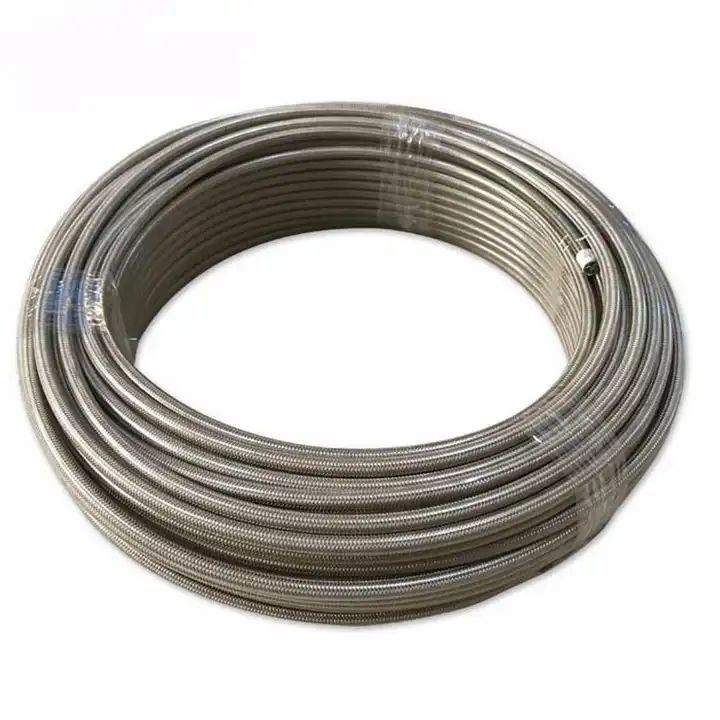
Next, it's time to install the fittings. There are a few different methods for installing fittings on Teflon hoses, but one of the most common is the crimping method. To crimp a fitting onto a hose, you'll need a crimping tool. Place the fitting over the end of the hose and insert it into the crimping tool. Follow the manufacturer's instructions to apply the correct amount of pressure to the fitting. Make sure the fitting is securely attached to the hose and that there are no gaps or leaks.
Another method for installing fittings is the compression method. This involves using a compression nut and ferrule to secure the fitting to the hose. Place the ferrule over the end of the hose and insert it into the fitting. Then, screw the compression nut onto the fitting until it is tight. Use a wrench to ensure that the nut is properly tightened, but be careful not to over-tighten it, as this can damage the hose or the fitting.
Once you've installed the fittings on the hose, it's time to connect it to the other components. Make sure the components are clean and free of any debris or contaminants. Align the hose and the component and insert the fitting into the appropriate port. Use a wrench to tighten the fitting, but again, be careful not to over-tighten it.
After connecting the hose to the components, it's important to test the system for leaks. Turn on the system and check for any signs of leakage around the fittings or connections. If you notice any leaks, turn off the system and tighten the fittings or make any necessary adjustments.
In addition to following these steps, there are a few other tips and best practices that can help you connect Teflon hoses to other components successfully. Here are some of them:
- Always follow the manufacturer's instructions when installing fittings and connecting hoses. Different types of hoses and fittings may require different installation methods and procedures.
- Use the right tools and equipment for the job. Using the wrong tools can damage the hose or the fittings and lead to leaks or other problems.
- Make sure the hose and the components are compatible. Check the specifications of the hose and the components to ensure that they are designed to work together.
- Inspect the hose and the fittings regularly for signs of wear or damage. Replace any worn or damaged parts as soon as possible to prevent leaks or other problems.
- If you're not sure how to connect a Teflon hose to other components, don't hesitate to ask for help. You can contact the manufacturer of the hose or the fittings for technical support or consult with a professional in the industry.
Well, that's about it for my guide on how to connect Teflon hoses to other components. I hope you found this information helpful. If you have any questions or need more information, feel free to reach out. And if you're in the market for Teflon hoses or other related products, I'd love to talk to you about your needs. Just get in touch, and we can start a conversation about how I can help you find the right solutions for your application.
References
- "Teflon Hose Installation Guide," Manufacturer's Manual
- "Hydraulic Hose Fitting Installation Best Practices," Industry Handbook