

Installing a PTFE hose in a confined space can be a challenging yet rewarding task. As a PTFE hose supplier, I've encountered numerous situations where customers needed guidance on this precise issue. In this blog, I'll share some practical tips and techniques to help you successfully install a PTFE Hose in such tricky environments.
Understanding PTFE Hoses
Before diving into the installation process, it's crucial to understand what PTFE hoses are and why they are a popular choice in various industries. PTFE, or polytetrafluoroethylene, is a synthetic fluoropolymer known for its excellent chemical resistance, high-temperature tolerance, and low friction coefficient. These properties make PTFE Hoses ideal for applications in chemical processing, food and beverage, pharmaceuticals, and many other fields.
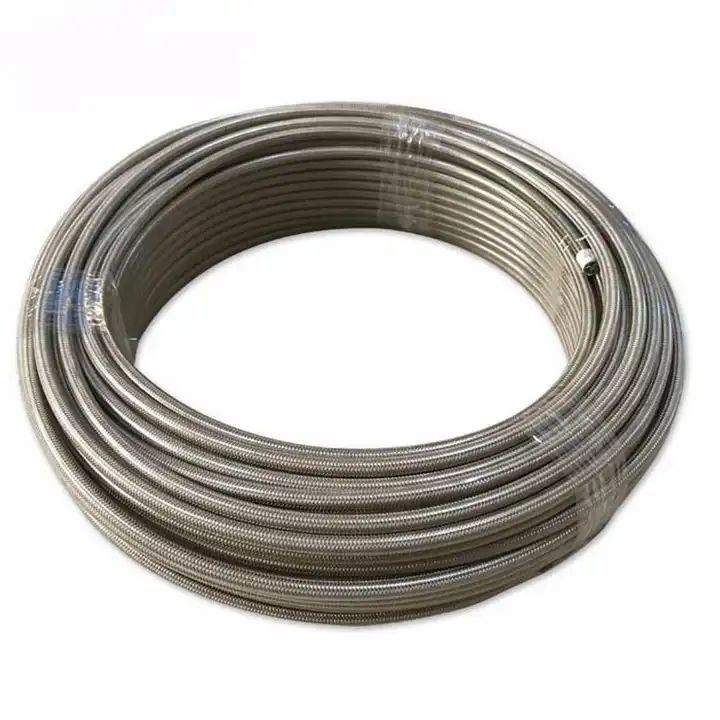
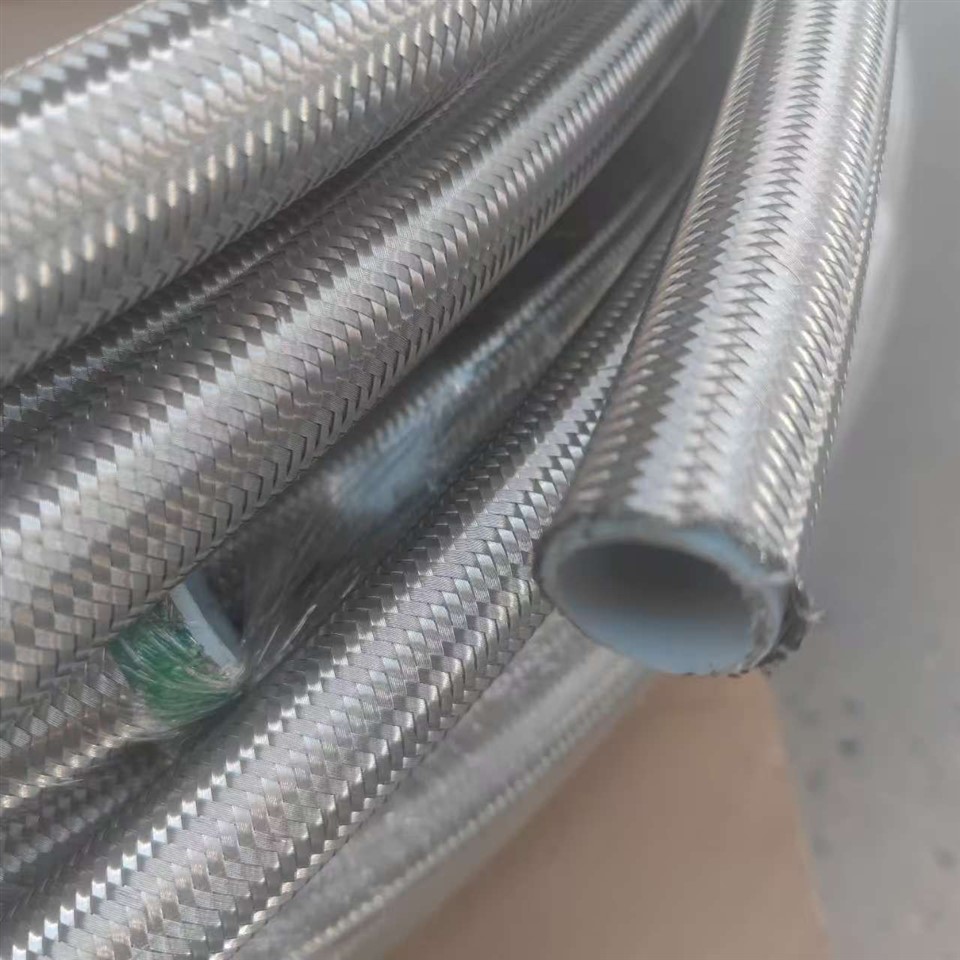
There are different types of PTFE hoses available, such as smoothbore and convoluted hoses. Smoothbore PTFE hoses offer a high flow rate and are suitable for applications where a low-pressure drop is required. On the other hand, convoluted PTFE hoses are more flexible and can be easily bent to fit into tight spaces. Additionally, PTFE Braided Hoses are reinforced with a braided outer layer, which provides additional strength and pressure resistance.
Pre-Installation Preparation
The first step in installing a PTFE hose in a confined space is to conduct a thorough assessment of the installation area. Measure the available space carefully to ensure that the hose you select will fit properly. Consider the length, diameter, and bend radius requirements of the hose. It's also important to identify any potential obstacles or hazards in the area, such as sharp edges, high temperatures, or chemical exposure.
Next, gather all the necessary tools and materials for the installation. You'll typically need a hose cutter, wrenches, clamps, and sealants. Make sure the tools are in good condition and appropriate for the size and type of hose you're working with. It's also a good idea to have some spare parts on hand, such as fittings and gaskets, in case of any unexpected issues during the installation.

Selecting the Right Hose
Choosing the right PTFE hose for your application is crucial for a successful installation. Consider the following factors when selecting a hose: - Chemical Compatibility: Ensure that the hose is compatible with the chemicals or fluids it will be transporting. PTFE is highly resistant to most chemicals, but it's still important to double-check the compatibility to avoid any potential chemical reactions. - Temperature Range: Determine the maximum and minimum temperatures the hose will be exposed to. PTFE hoses can withstand a wide range of temperatures, but different types of hoses may have different temperature ratings. - Pressure Rating: Consider the pressure requirements of your application. Make sure the hose has a sufficient pressure rating to handle the operating pressure without bursting or leaking. - Flexibility: In a confined space, flexibility is key. Choose a hose that is flexible enough to be bent and maneuvered into the desired position without kinking or collapsing.
Installation Steps
Once you've selected the right hose and gathered all the necessary tools and materials, it's time to start the installation process. Here are the general steps to follow: 1. Cut the Hose: Use a sharp hose cutter to cut the PTFE hose to the desired length. Make sure the cut is clean and straight to ensure a proper seal. 2. Prepare the Fittings: If your hose requires fittings, make sure they are clean and free of any debris or contaminants. Apply a suitable sealant to the fitting threads to prevent leaks. 3. Attach the Fittings: Carefully attach the fittings to the ends of the hose. Use the appropriate wrenches to tighten the fittings securely, but be careful not to over-tighten them, as this can damage the hose or the fittings. 4. Route the Hose: Begin routing the hose through the confined space, following the pre-determined path. Be careful to avoid any sharp edges or obstacles that could damage the hose. Use clamps or brackets to secure the hose in place at regular intervals to prevent it from moving or vibrating. 5. Make the Connections: Once the hose is routed through the confined space, make the necessary connections to the equipment or system. Again, use the appropriate wrenches to tighten the connections securely, and check for any leaks. 6. Test the System: After the installation is complete, test the system to ensure that the hose is functioning properly and there are no leaks. Start the system slowly and gradually increase the pressure to the operating level. Monitor the system closely for any signs of leaks or other issues.
Troubleshooting Tips
Even with careful planning and preparation, issues may arise during the installation process. Here are some common problems and their solutions: - Kinking or Collapsing: If the hose kinks or collapses during the installation, try using a hose straightener or a lubricant to make it more flexible. You may also need to adjust the routing of the hose to avoid sharp bends or tight spaces. - Leaking Connections: If you notice a leak at the connections, check the fittings to make sure they are tightened properly. You may need to reapply the sealant or replace the gaskets if they are damaged. - Chemical Compatibility Issues: If you suspect that the hose is not compatible with the chemicals or fluids it is transporting, stop using the hose immediately and consult with a chemical compatibility chart or a PTFE hose expert.

Conclusion
Installing a PTFE hose in a confined space requires careful planning, the right tools and materials, and a bit of patience. By following the tips and techniques outlined in this blog, you can ensure a successful installation and avoid common problems. Remember, if you have any questions or need further assistance, don't hesitate to contact us. As a PTFE hose supplier, we have the expertise and experience to help you find the right hose for your application and provide you with the support you need throughout the installation process.
If you're interested in purchasing PTFE hoses or have any questions about our products, please feel free to contact us. We look forward to working with you and helping you meet your hose requirements.
References
- "PTFE Hose Handbook," published by a leading industry association.
- Manufacturer's specifications and installation guides for PTFE hoses.