

As a supplier of SAE 100 R14 hoses, I understand the critical importance of preventing leakage in these hoses. Leakage not only leads to loss of fluid, which can be costly, but also poses safety risks and can cause damage to equipment. In this blog post, I will share some effective strategies on how to prevent leakage from SAE 100 R14 hoses.
Understanding SAE 100 R14 Hoses
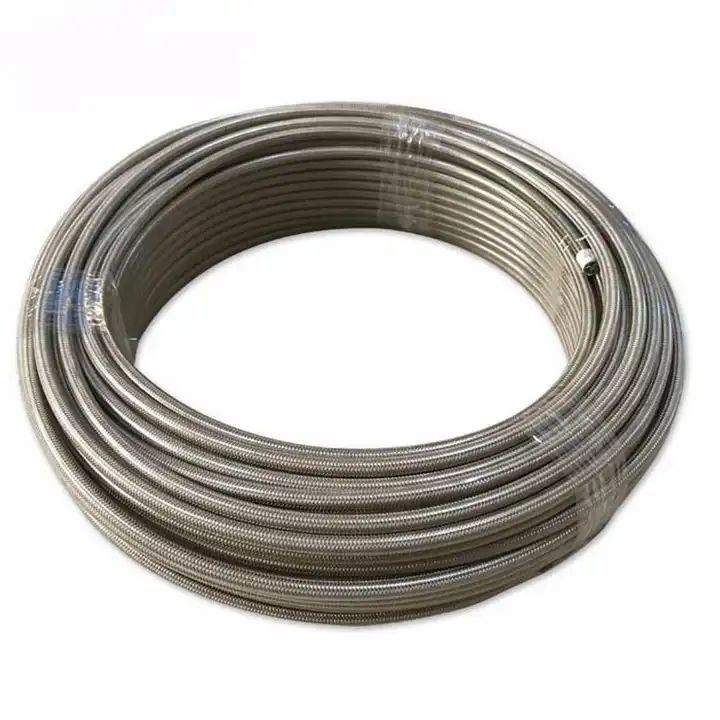
Before delving into prevention methods, it's essential to have a basic understanding of SAE 100 R14 hoses. These hoses are designed for high - pressure hydraulic applications. They typically consist of an inner tube, reinforcement layers, and an outer cover. The inner tube is usually made of synthetic rubber, which is resistant to the hydraulic fluid being conveyed. The reinforcement layers, often made of high - strength steel wire braids, provide the hose with the necessary strength to withstand high pressures. The outer cover protects the hose from environmental factors such as abrasion, ozone, and weathering.

Proper Installation
One of the primary causes of hose leakage is improper installation. Here are some key points to keep in mind during the installation process:
- Correct Fitting Selection: Ensure that the fittings used are compatible with the SAE 100 R14 hose. The fitting size, thread type, and sealing mechanism must match the hose specifications. Using incorrect fittings can lead to leaks at the connection points.
- Clean Connection Surfaces: Before installing the fittings, clean the hose ends and the fitting surfaces thoroughly. Any dirt, debris, or oil on these surfaces can prevent a proper seal, resulting in leakage.
- Proper Assembly: Follow the manufacturer's instructions for assembling the hose and fittings. This may involve using specific tools and techniques to ensure a tight and secure connection. For example, when crimping the fittings onto the hose, use a calibrated crimping machine to achieve the correct crimp diameter.
- Avoid Kinking and Twisting: During installation, make sure the hose is routed correctly to avoid kinking and twisting. Kinks can restrict the flow of fluid and cause excessive stress on the hose, leading to premature failure and leakage. Twisting can also damage the reinforcement layers and compromise the integrity of the hose.
Regular Inspection
Regular inspection is crucial for detecting potential leakage issues early. Here's what you should look for during inspections:
- External Damage: Check the outer cover of the hose for signs of abrasion, cuts, or cracks. These can expose the reinforcement layers and the inner tube, increasing the risk of leakage. If any damage is found, the hose should be replaced immediately.
- Connection Points: Inspect the fittings and connection points for signs of leakage, such as fluid seepage or wet spots. Also, check for loose fittings, as they can cause leaks. Tighten any loose fittings using the appropriate tools, but be careful not to over - tighten, as this can damage the fittings or the hose.
- Hose Aging: Over time, hoses can deteriorate due to factors such as heat, pressure, and chemical exposure. Look for signs of aging, such as hardening, cracking, or discoloration of the hose. If the hose shows significant signs of aging, it should be replaced.
Fluid Compatibility
Using the correct hydraulic fluid is essential for preventing hose leakage. The fluid must be compatible with the inner tube material of the SAE 100 R14 hose. Incompatible fluids can cause the inner tube to swell, soften, or degrade, leading to leakage. Here are some tips for ensuring fluid compatibility:
- Refer to Manufacturer's Recommendations: Consult the hose manufacturer's documentation to determine the compatible fluids for the SAE 100 R14 hose. They will provide a list of approved fluids and their operating temperature and pressure ranges.
- Avoid Contamination: Keep the hydraulic fluid clean and free from contaminants. Contaminants such as dirt, metal particles, and water can cause abrasion and corrosion inside the hose, leading to leakage. Use proper filtration systems to remove contaminants from the fluid.
Pressure and Temperature Management
Excessive pressure and temperature can also cause hose leakage. Here's how you can manage these factors:
- Stay within Operating Limits: Ensure that the pressure and temperature of the hydraulic system are within the operating limits specified by the hose manufacturer. Exceeding these limits can cause the hose to expand, burst, or develop leaks.
- Use Pressure Relief Valves: Install pressure relief valves in the hydraulic system to prevent over - pressurization. These valves will open when the pressure exceeds a certain level, releasing excess pressure and protecting the hose from damage.
- Cooling Systems: In high - temperature applications, use cooling systems to maintain the temperature of the hydraulic fluid and the hose within the acceptable range. This can help prevent the hose from overheating and deteriorating.
Quality of Hoses
The quality of the SAE 100 R14 hoses you use also plays a significant role in preventing leakage. As a supplier, I always ensure that our hoses are manufactured to the highest standards. We use high - quality materials and advanced manufacturing processes to produce hoses that are durable, reliable, and resistant to leakage. When purchasing hoses, make sure to choose a reputable supplier who can provide you with hoses that meet or exceed the industry standards.
Related Products
In addition to SAE 100 R14 hoses, we also offer a range of related products such as PTFE Hose and PTFE Braided Hose. These hoses are known for their excellent chemical resistance, high - temperature performance, and low friction characteristics. They are suitable for a wide range of applications, including chemical processing, food and beverage, and pharmaceutical industries. You can learn more about our PTFE Hose products on our website.
Conclusion
Preventing leakage from SAE 100 R14 hoses requires a combination of proper installation, regular inspection, fluid compatibility, pressure and temperature management, and the use of high - quality hoses. By following the strategies outlined in this blog post, you can significantly reduce the risk of hose leakage and ensure the safe and efficient operation of your hydraulic systems.
If you are interested in purchasing SAE 100 R14 hoses or any of our other products, please feel free to contact us for a detailed discussion and procurement negotiation. We are committed to providing you with the best products and services to meet your needs.
References
- Hydraulic Hose Installation and Maintenance Guide, Industry Standard Publication
- SAE J1273 Standard for High - Pressure Hydraulic Hose Assemblies